



LINCOLN, Neb. (KMTV) — Nebraska is seeing a record number of people seeking help for problem gambling — and experts say the timing of Problem Gambling Awareness Month is no coincidence.
The NCAA Men's Basketball Tournament is the most bet on sporting event each year, arriving just a month after the Super Bowl — the largest sports betting day of the year.
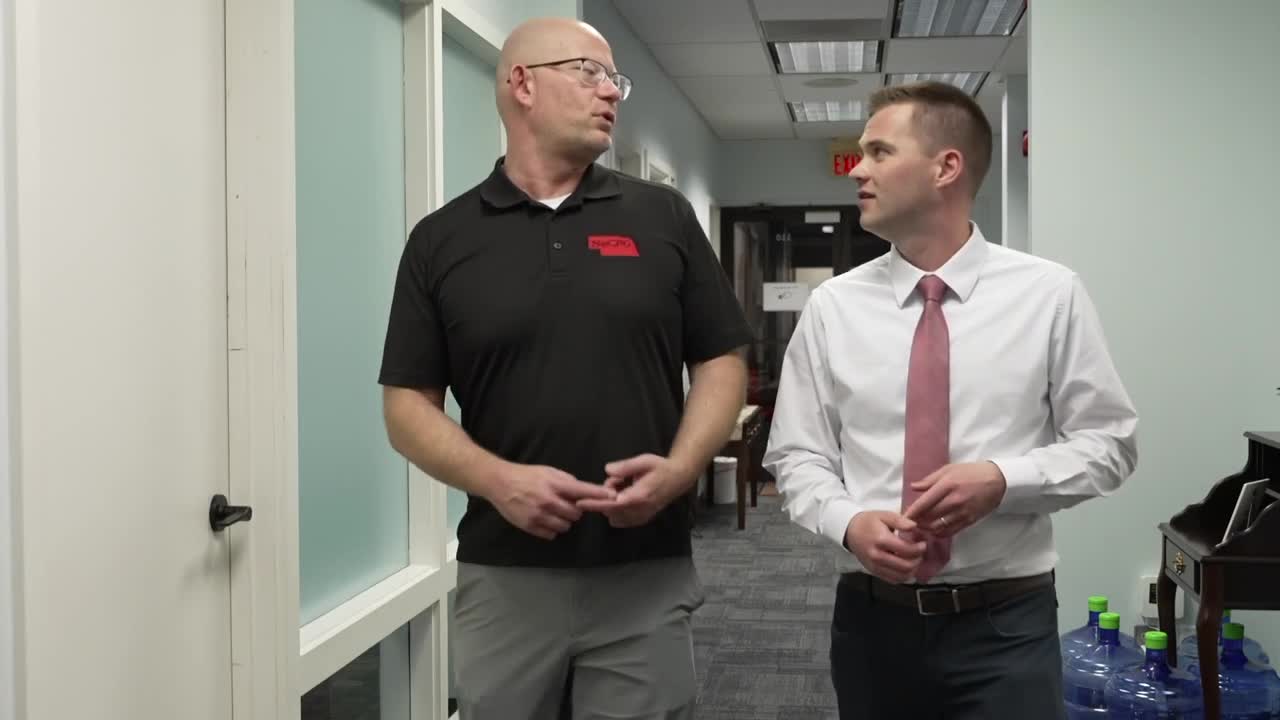
We met up Mike Sciandra in Lincoln, who knows the issue firsthand.
"I'm a problem gambler in recovery as well. I've been bet free since December 14, 2020," Sciandra said.
Today, Sciandra serves as Executive Director of the Nebraska Council on Problem Gambling, working to help others facing the same struggles he once did.
"It is a public health issue. Just like substance use disorder and other mental health concerns and disorders that are out there," Sciandra said. "They have done brain scans of people who are gambling and brain scans of people who are on drugs like cocaine, and similar portions of the brain light up."
According to Sciandra, most people in Nebraska who develop a gambling problem begin before the age of 20 — just as he did. But he says today's younger generation faces an even greater risk.
"They're the first generation to have gambling truly normalized within the culture," Sciandra said.
He says he works with about 20 colleges across the state, and the concern is widespread.
"And almost all of them, to a tee, are mentioning that this is a growing concern," Sciandra said. "Every high school, every college campus, has illegal sports books still."
The Nebraska Council on Problem Gambling takes a neutral stance on legal gambling. Its mission is focused on prevention and connecting those who are struggling with available help.
"We're very fortunate in Nebraska to have what's called the Nebraska Gamblers Assistance Program," Sciandra said.
The program is funded by 2.5% of gaming taxes collected in the state, allowing trained, certified gambling counselors to offer treatment free of charge.
And more Nebraskans are using it than ever before.
"A 30 percent increase in the last two years," Sciandra said.
You can learn more about the program and find other resources by clicking here.
If you live in Iowa and are looking for more information and resources, click here.
