

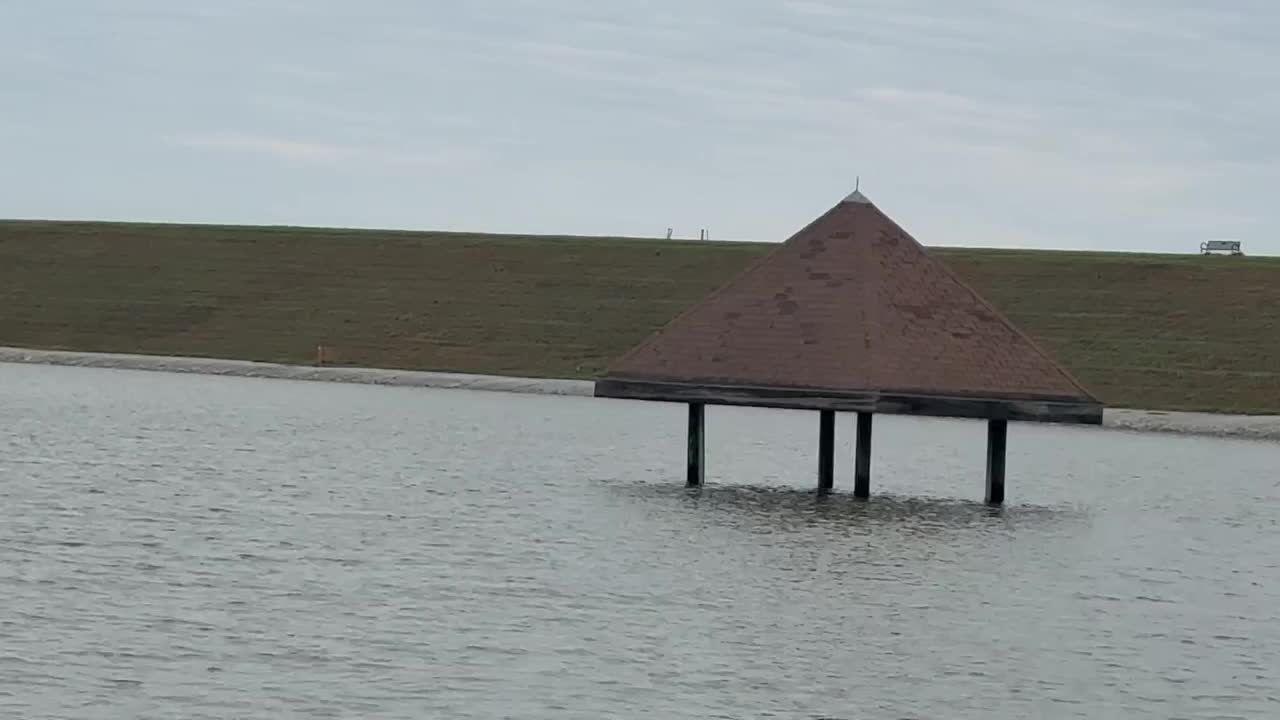


A rare combination of tropical moisture and a passing cold front produced historic flooding across eastern Nebraska and western Iowa Wednesday night, overwhelming neighborhoods, filling lakes to record levels, and prompting comparisons to some of the metro area's most significant flood events on record.
While rainfall totals varied across the region, the intensity of the rain proved just as important as the final amounts.
Rain Fell at an Extraordinary Rate
Rainfall totals ranged from less than 2 inches in Bellevue to around 8 inches in Millard. However, much of the precipitation fell within three hours, leading to rapid flooding and dangerous conditions across portions of the Omaha metro.
At Eppley Airfield, 2.7 inches of rain fell in a single hour, making it the second-highest hourly rainfall total recorded there since recordkeeping began in 1929.
The intense rainfall quickly overwhelmed drainage systems, sending water into streets, neighborhoods, and low-lying areas.
Multiple Lake Records Broken
The historic rainfall pushed several area lakes to record levels.
Lakes Wehrspann, Zorinsky, Standing Bear, and Cunningham all reached record high water levels during the flooding event. Lake Zorinsky exceeded its previous record by nearly three feet, highlighting just how exceptional the rainfall was.
Was This a “100-Year Flood”?
One phrase frequently used after major flooding events is “100-year flood,” but what does that actually mean?
It means there is a 1 in 100 (1%) chance of a flood of that specific magnitude occurring. It's calculated by a certain amount of rain falling in a specific time period.
Based on preliminary rainfall observations and flood analysis, portions of west and southwest Omaha likely experienced conditions consistent with a 100-year flood event.
Looking Back: The Flood of 1999
To find a comparable flood in Omaha's history, we can look at August 7, 1999.
During that event, more than 10 inches of rain fell overnight across northeast Omaha and Council Bluffs. The resulting flooding damaged more than 4,000 homes across the metro and became one of the costliest flash flood disasters in local history.
