



In western Nebraska, so many communities are suffering because of these wildfires, but as we look at weather patterns, this could be just the start of problems in our state.
In western Nebraska, neighbors are helping neighbors.
James Taylor is a firefighter - working to protect his community. “It's hard on us, but it's a lot easier in the daylight than some of the guys that have been here all night running these disks.
He's joined by firefighters from across the region, hoping, along with residents, for rain.
"We've had prairie fires over the years. We've had a shop fire and different things like that. But never seen a fire of this scope, this size, this devastation, and the speed at which it traveled. My dad's about to turn 86, and he'd never seen a prairie fire such as this either,” says Arthur Wilson, an Arthur County rancher.
The wildfires are the most visible part of a major problem for Nebraskans this summer. Another visual we need to watch is the possibility of the Platte drying up.
From Omaha to Scottsbluff, it’s been another very dry winter, leaving reservoirs low and fields dried out. According to the US Drought Monitor, 89 percent of Nebraska is in some form of drought. And 40 percent is classified as a severe drought.
With Nebraska already dry, it will combine with a looming crisis out west that will worsen the situation.
Over the Rockies, a historically low snowpack is about to endure a record-breaking heatwave. This would only further melt the meager snow and means our water supply from the west will be much lower than normal as we head into the warmer months.
The lack of moisture will lead to an increased wildfire danger statewide, and possible water issues come summer.
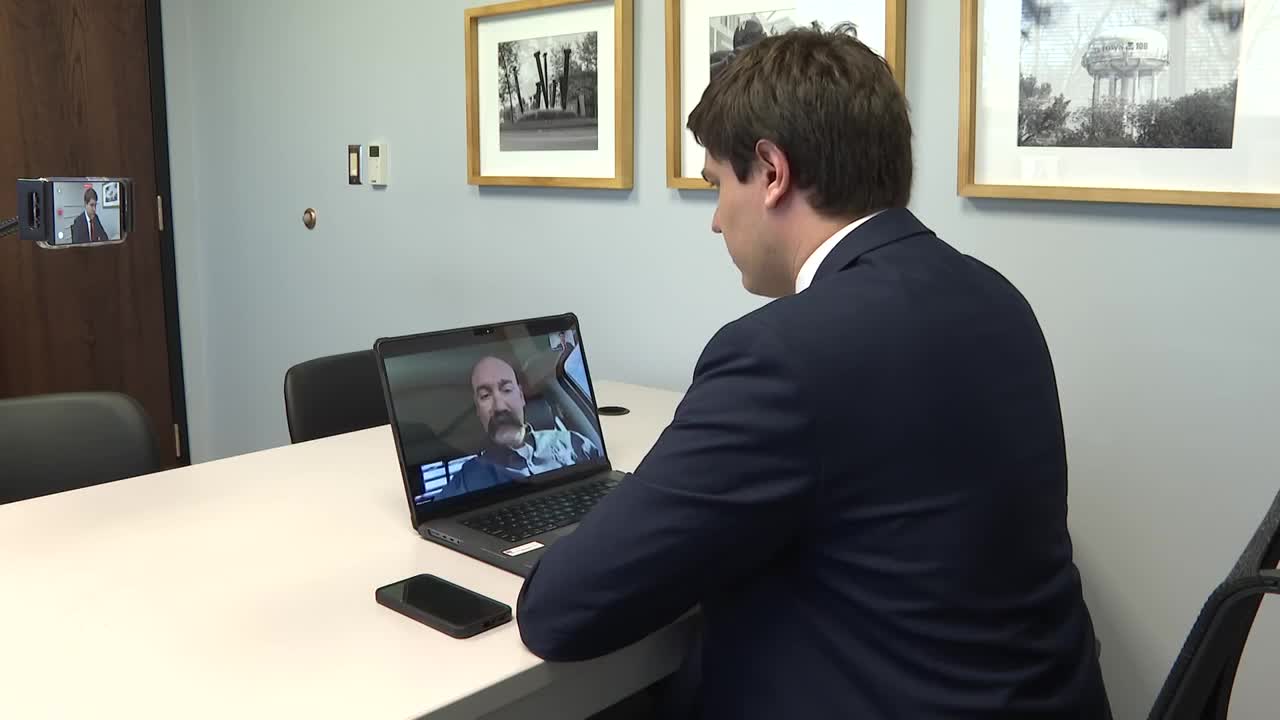
Meteorologist Joseph Meyer talked with Adam Grabenstein. He's a rancher in Farnam, south of Gothenburg, and the site of the Cottonwood fire.
He told me fire came within just feet of his home. The house has a lot of smoke damage, and its fields, charred.
Joseph asked him to explain the situation in southwest Nebraska before the fires. He told us that the region has not experienced moisture since last Fall, which has created perfect conditions for wildfires.
Although it may seem bleak, the damage is not irreversible. All it takes is one pattern flip to bring us some desperately needed moisture to the Cornhusker State.
