



You may not be surprised, but winter in Nebraska and Iowa has been dry...again.
On average, we see about 16" of snow up to early February. This winter, Omaha has received 6.5". Not as bad as last year, but nowhere near our seasonal average. We are in a 'snow drought', but we are not alone.
The hotspots for snow this year have been to our east and south, leaving much of the western US high and dry. In fact, the Rocky Mountain states of Colorado, Utah, Wyoming, and Montana are experiencing some of the driest winters on record.
Why is this? Ridging in the atmosphere has kept winter storms away from the west and favored the east. Likewise, a series of rainstorms in early January melted much of the snowpack, which means less to melt come spring.
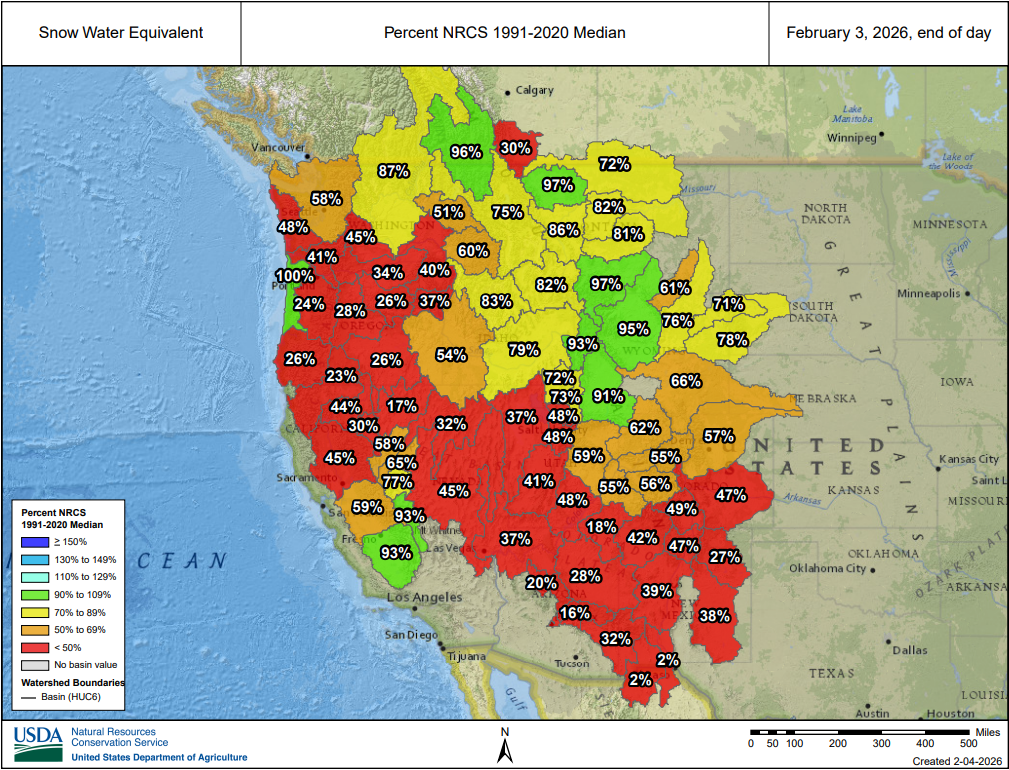
You can see this in these two images. The first shows the "snow water equivalent (SWE)" over the west, which is the water content in the snowpack. The numbers are in %. Anything below 100% is below average, anything above 100% is above average. This time last year, much of the West was seeing above-average snowpacks.
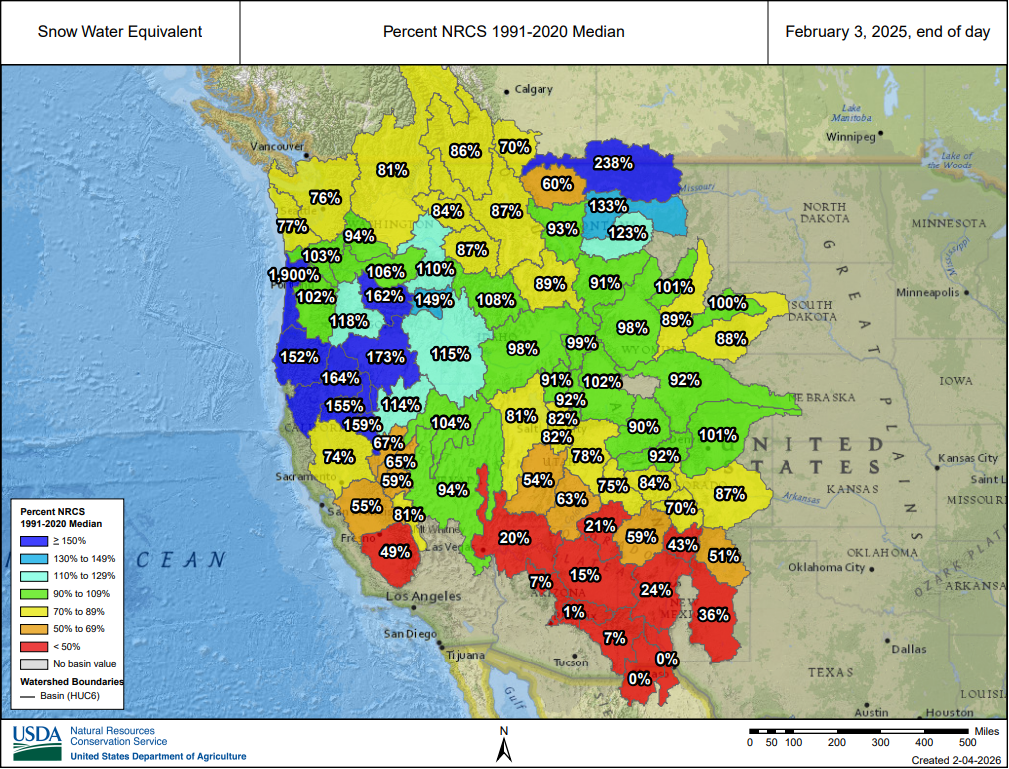
This year, nearly every station is well below average.
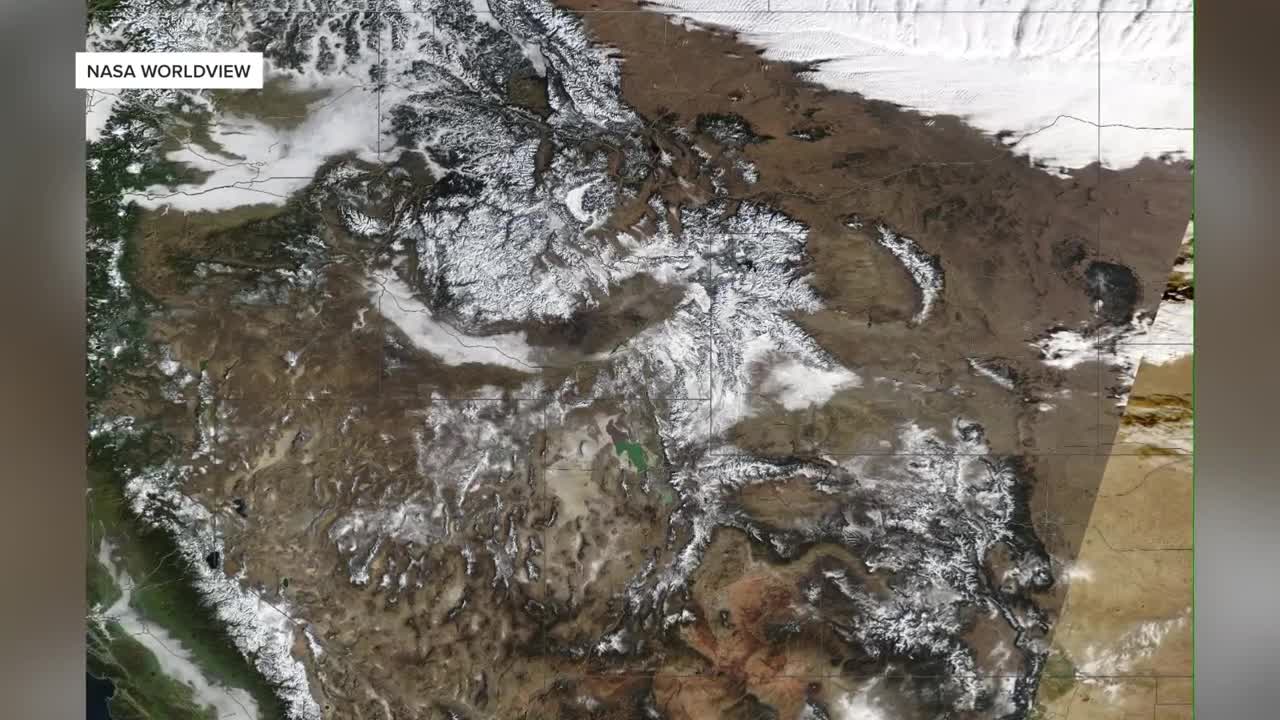
This is shown in the satellite imagery of the western US snowpack. Last year, the snowpack was quite healthy.

This year, it's a much different story, with only the tallest mountains having any snow.

So, what does this mean for Nebraska and Iowa? In the short-term, disappointed skiiers, sledders, and kids, alongside happy drivers.
However, in the long term, the lack of moisture out west could be a serious concern.
Take the Platte River in Nebraska. The Platte gets a lot of its water from snow runoff in Colorado and Wyoming. If those states see little snow, there is less water that flows into the river. Since the reservoirs in Nebraska are already low, this could create some water issues come the summer.
Likewise, runoff into the Missouri River will be lower, with the Army Corps of Engineers predicting a lower runoff in 2026. This could impact river levels, which widens into impacted river travel & recreational activities.
While this sounds doom and gloom now, it's only early February. We are just entering the snowiest time of the season for many of these places. All we need is a pattern change, and the snow issues out west could go away. Time will tell.
