



NOTE: This is a shorter article from a series from This Week in Weather History titled "Hurricanes of the Heartland." Tap or click here for a more detailed look at Nebraska's hurricane history.
The rain falling across the region this week comes from an unusual source: a Pacific hurricane.
The remnants of Hurricane Polo are bringing several inches of rain to the Heartland. Despite Nebraska being one of the most landlocked states in the country, it can still see impacts from tropical systems.
When a hurricane moves inland, it weakens and loses many of its tropical characteristics, such as high winds and storm surge. By the time these systems reach the Midwest, the biggest threat is heavy rain.
This is not the first time the region has felt the effects of a tropical system. Historical storms offer a look at how far-reaching these impacts can be.
The 1900 Galveston hurricane, the deadliest in U.S. history, brought 3 to 6 inches of rain and 60 mph winds to the city. The winds caused power outages, and some businesses lost their windows.
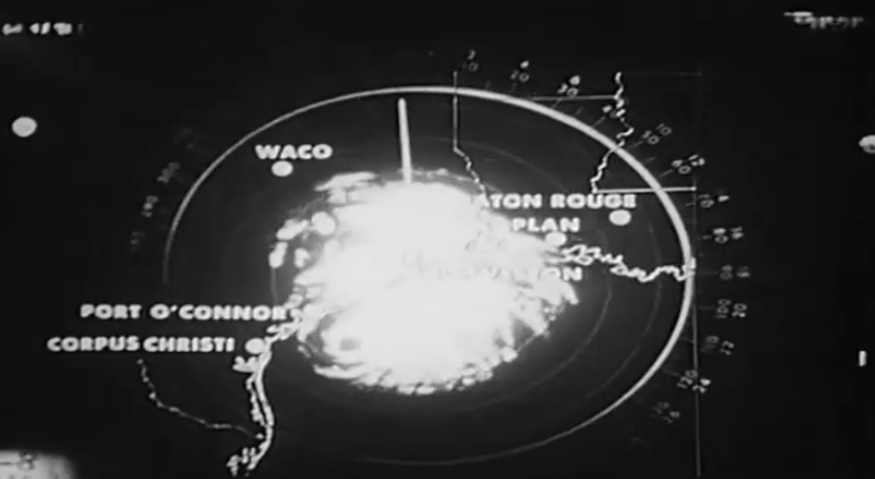
In 1961, Hurricane Carla impacted Texas before working its way north into the Midwest. As much as 9 inches of rain fell from Kansas to Iowa, leading to significant flooding.
Pacific hurricanes, while rarer, can also bring impacts to the region. In 1992, Hurricane Lester made landfall on Mexico's Baja Peninsula and subsequently brought 1 to 3 inches of rain to Nebraska.
More recently, in 2020, Tropical Storm Cristobal brought heavy rain over Missouri and Iowa as it moved due north.
