



Spring is almost here, and with it, the severe weather season. Whether you lived here for 10 months or 10 years, severe weather safety information is important for getting through Mother Nature's worst.
"Before the tornado? You couldn't see anything. This was all trees, all the way down to the highway."
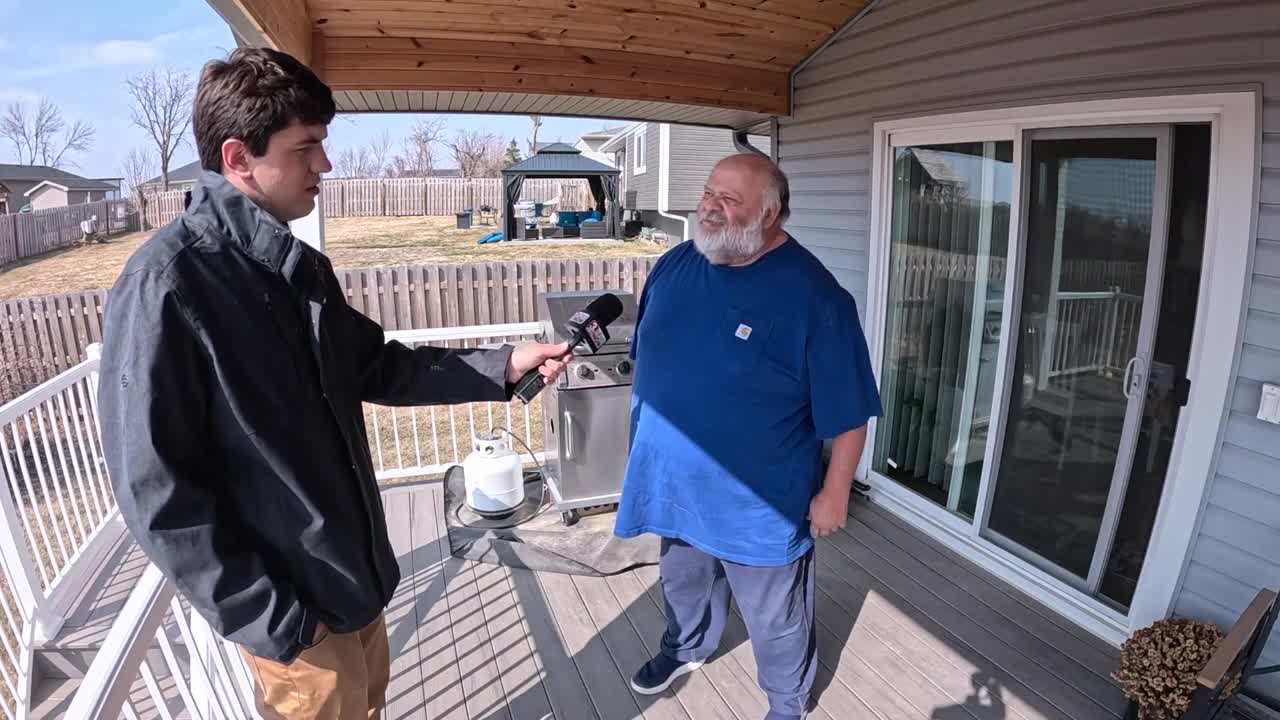
Harold Perkons lives in the Ramblewood neighborhood of Elkhorn, and he told Meteorologist Joseph Meyer about what it was like as the Arbor Day tornado hit.
"Watching the houses explode and go up in the air, water shooting out the basement, the power boxes blowing up like lightning bolts…the amount of pressure in my ears, pulled the doors off, blew the front window out, a tree came in the front."
After living here for over 40 years, Perkons is well-versed in severe weather safety and knew what to do.
Even before severe weather strikes, you can begin preparing. Know severe weather terms, like the difference between a watch and a warning. Know your county, and the counties that surround yours.
When a warning is issued, have multiple ways of receiving them. Recently, Douglas, Sarpy, and Cass Counties have updated their siren policies. Still, outdoor warning sirens should be your last resort, and only used if outdoors.
It may be overlooked, but have supplies in your home. A helmet to protect yourself from flying debris. A pair of sturdy shoes in case you have to walk over debris. A whistle to alert others if you are trapped. And the basics like wallet, phone, and car keys.
Though it may seem like redundant information to longtime Tornado Alley neighbors, having a plan and practicing that plan with your loved ones helps when the storms arrive.
Its also a good idea on severe weather days to keep your phone charged. If you lose power in the storm, you can stream KMTV and stay updated on the latest track.
