

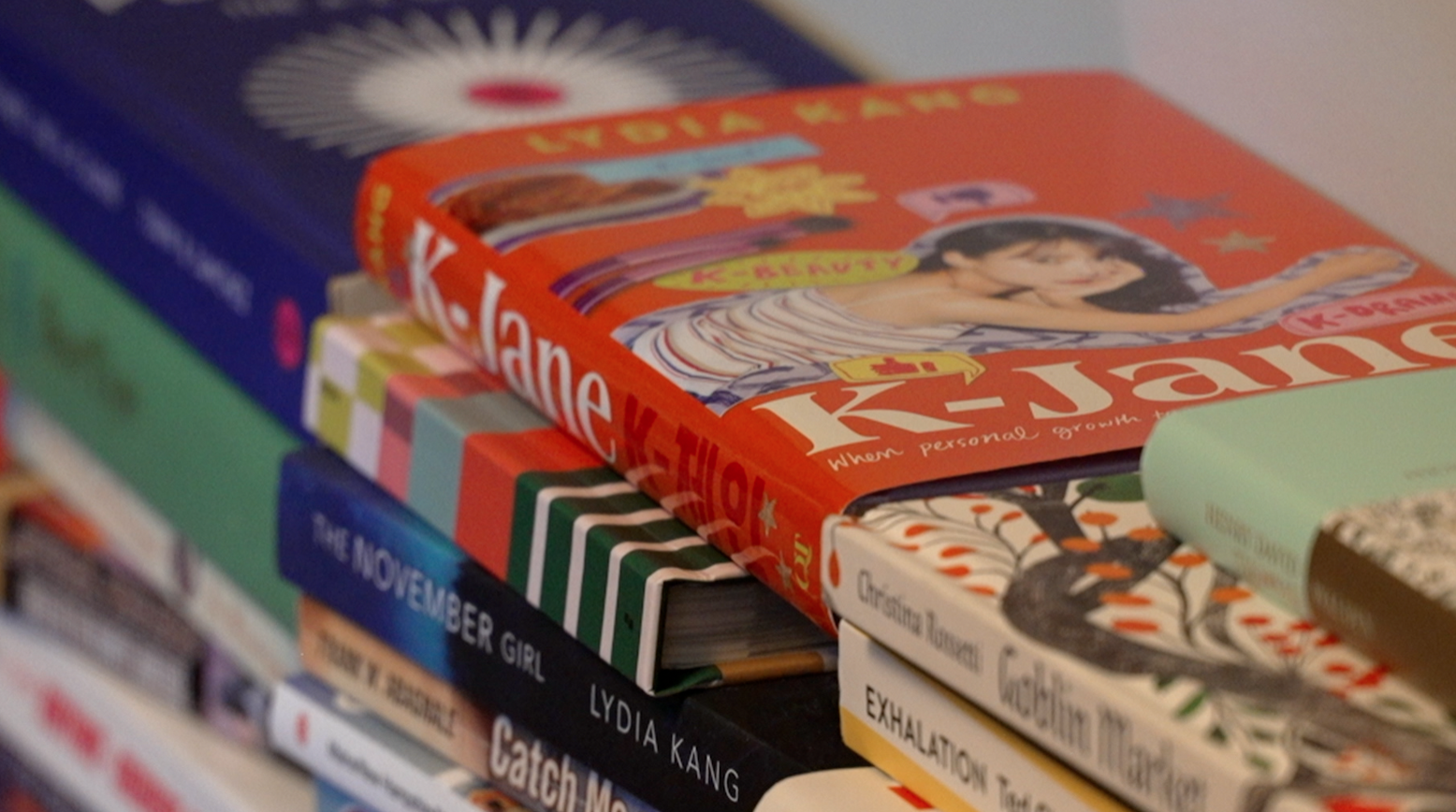


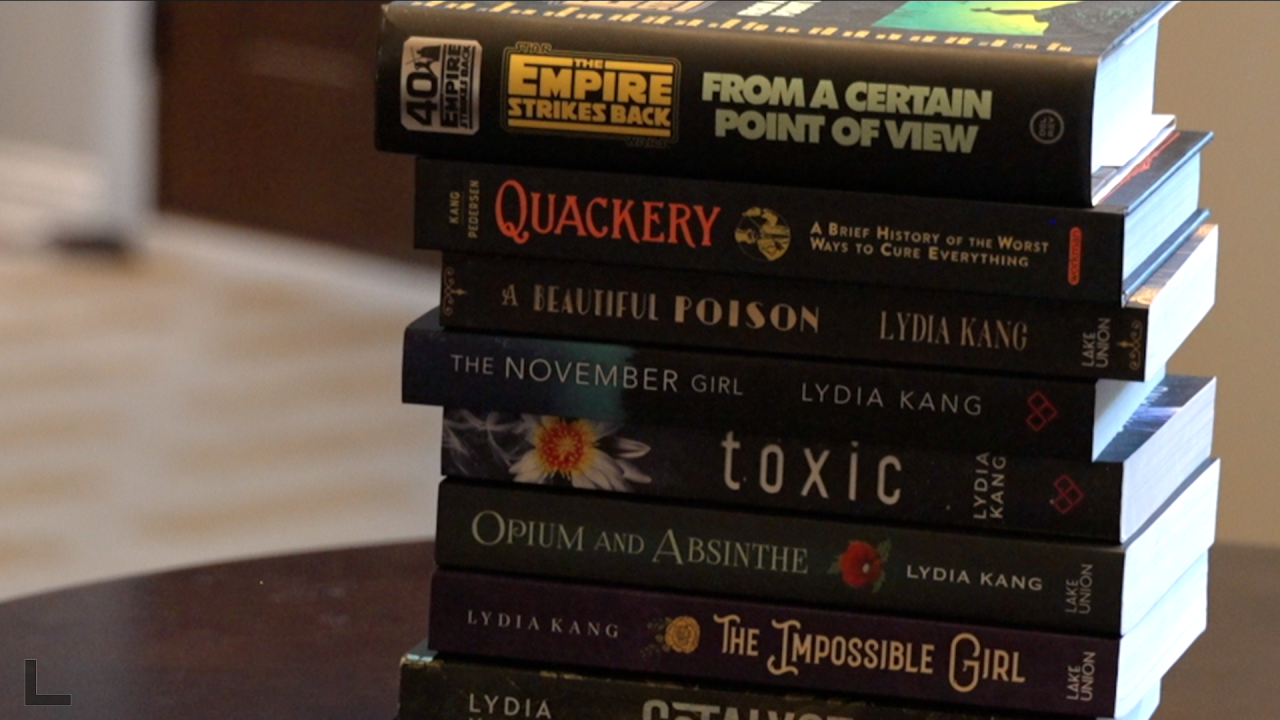
OMAHA, Neb. (KMTV) — Lydia Kang spent years writing novels, essays and poetry throughout her career. Now her titles are among hundreds of thousands used to train artificial intelligence without their permission.
In July a federal judge in San Francisco granted final approval of a $1.5 billion settlement between a group of authors and AI research company Anthropic. The settlement covers nearly 500,000 titles.
Kang, a physician and author, said she discovered her books were included through a website with a database related to the settlement, which also includes links documents from the case included in this article.
"I would say I felt kinda sick when I saw that," Kang said.

A court order found that books — pirated or purchased and destructively scanned — were used to train AI programs. The judge ruled that training AI chatbots using copyrighted books was not illegal, but found that Anthropic violated authors' rights by wrongfully acquiring books through pirate websites and saving them to a central library.
Kang said the amount of work that goes into each book makes the situation feel especially personal.
"Oh gosh like it's years of work. People sort of wonder what's the process of writing a book and getting it onto the shelf into this final version it's a lot of work the number of times you have to do copy edits, line edits," Kang said.
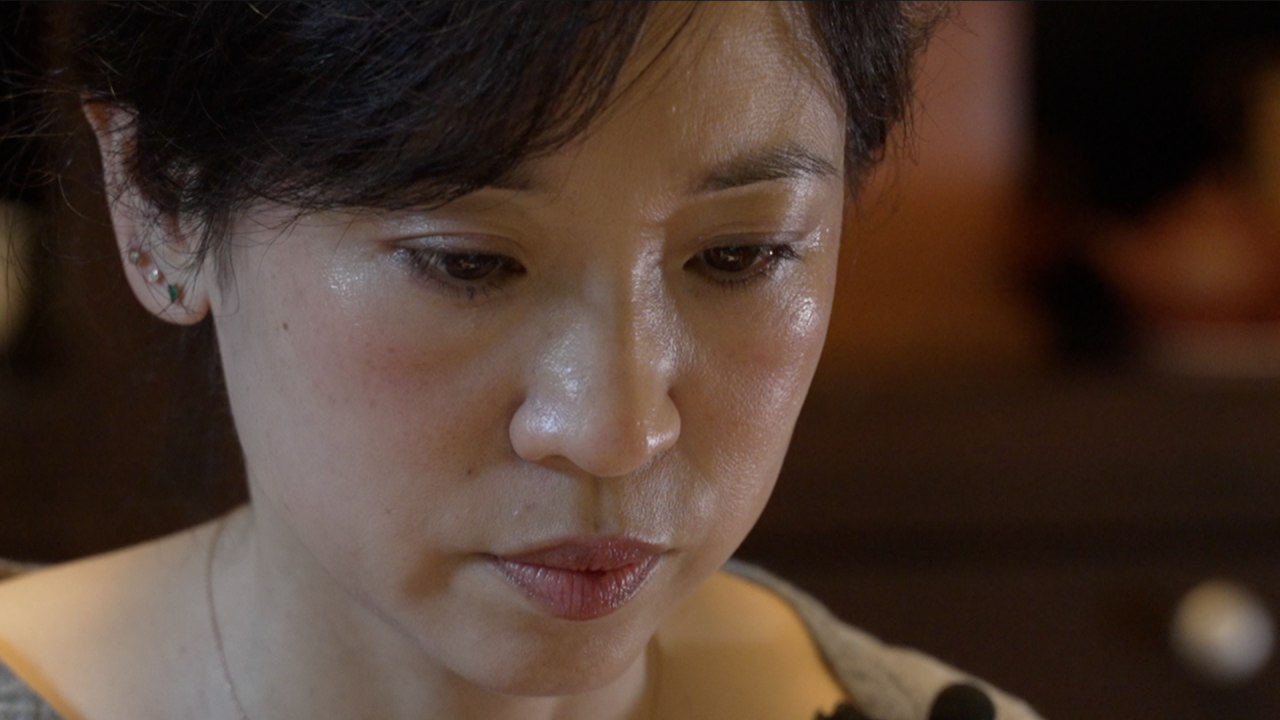
Kang and another local author who teaches creative writing, Ted Wheeler said they each expect to receive $3,000 per book included in the settlement, split between author and publisher, though neither has received payment yet. They say agreements between authors and publishers can determine how that share is divided up on an individual basis.
Despite the legal battle, Kang said she believes human creativity remains essential in the age of AI.
"I would say your voice and your artistry and what you create is still as important as ever, I would say it's even more important," Kang said.
Wheeler says he often has conversations with his students about AI in the classroom, and mentioned that some of his have expressed distaste for the increased usage of popular large language models. Common complaints include concerns about workforce impact and the environment he says.
Wheeler thought back to when Kindle e-readers started to become popular years ago, when asked about previous author concerns about technology.
"That was another thing about is this really a book? How does your work live out in the world?" Wheeler said.
A spokesperson for Anthropic said more than 91% of authors included in the settlement have claimed their share.
CORRECTION: a line stating "split between author and publisher" has been added to this story to further clarify the payout of the settlement.
This story was reported on-air by a journalist and has been converted to this platform with the assistance of AI. Our editorial team verifies all reporting on all platforms for fairness and accuracy.
Download our apps today for all of our latest coverage.
Get the latest news and weather delivered straight to your inbox.
