



- Omaha's mayoral pardon clinic assists residents with low-level misdemeanor convictions such as theft, prostitution and trespassing that stem from city ordinance violations.
- Past convictions, even minor ones, can limit access to better-paying jobs and opportunities.
- Mayoral pardons do not apply to felony convictions, leaving some residents to seek other avenues.
OMAHA, Neb (KMTV) - - For years, mistakes from the past have kept some Omaha residents from accessing new opportunities. Now, advocates are teaching them how a mayoral pardon can help them move forward.
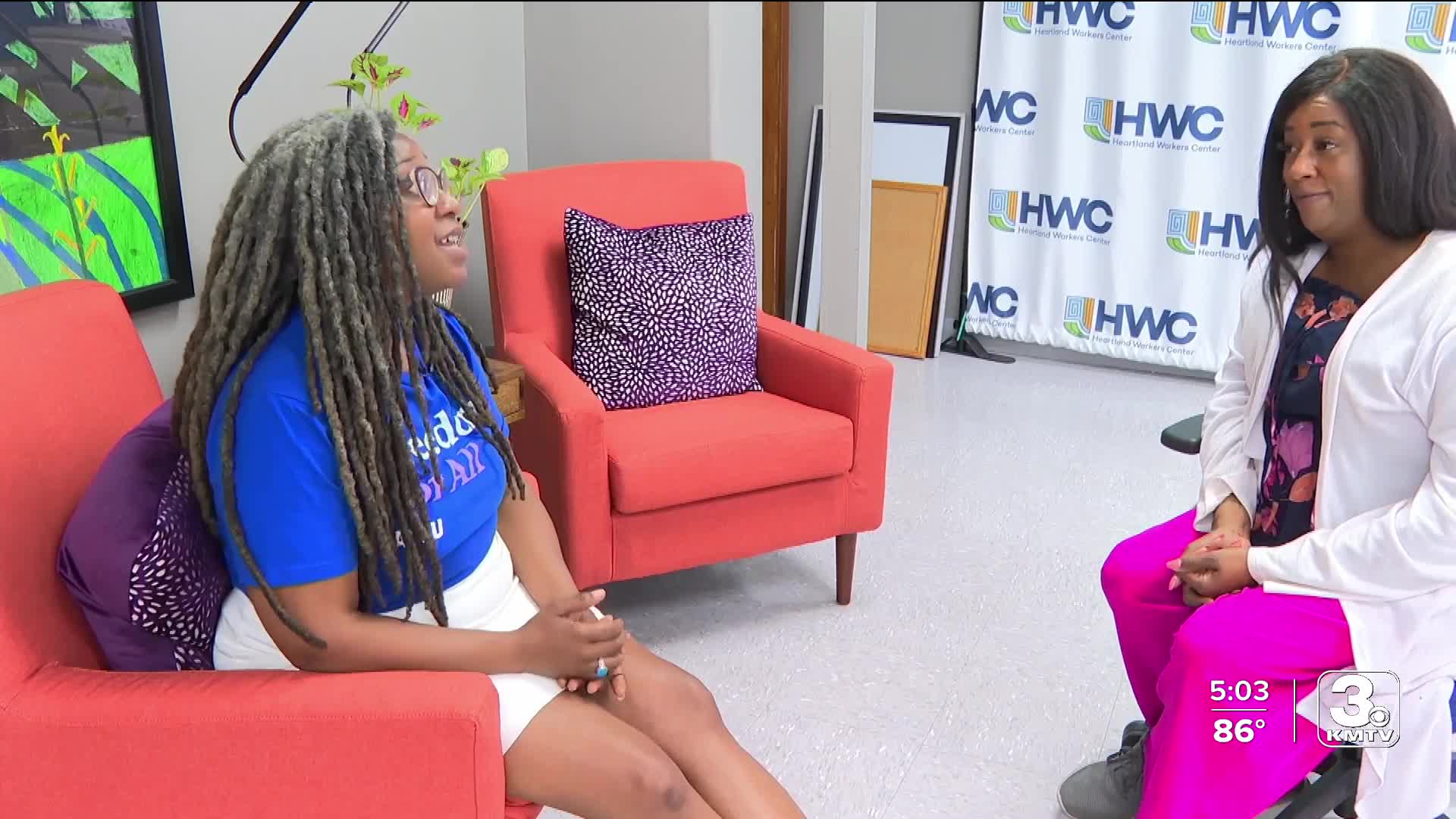
Schmeeka Simpson is a mother, Creighton University graduate, and community service worker who works multiple jobs.
One of those jobs is as an independent contractor with the American Civil Liberties Union and an organizer of the Mayoral Pardon Clinic.
“If doors are closed, you have to work harder to find the ones that are open,” Simpson said.
She said that while pardons are not guaranteed, the Heartland Workers Center and ACLU want to give people a positive start toward a better outcome.
While preparing for the event, Simpson decided to apply for a pardon herself since her misdemeanor had limited her opportunities over the years.
“I got caught for petty theft 20 years ago, and those kinds of things can hold you back. It makes people look at you like you're a bad person,” Simpson said.
Simpson attended a Mayoral First Pardon Clinic, where residents can seek relief from low-level convictions.
According to the Nebraska Judicial Branch website, a mayor is only able to pardon convictions involving violations of city ordinances. Those violations are low-grade misdemeanors such as theft, prostitution, and trespassing.
Jamel Conner, an attorney with the American Civil Liberties Union of Nebraska, said these pardons help boost the economy by opening the door to better-paying jobs.
“People with jobs have higher self-esteem because of our culture, and we see that as a sign of doing well. I think it helps people become ingrained in their community. It helps them feel a sense of belonging,” Conner said.
Not everyone qualifies for a pardon.
Rochelle Starks-Legon has a felony conviction and said she served six months in prison 24 years ago. She said not being able to get a high-paying job was the reason she went to college to earn a degree in culinary arts.
“They can stop some things. They can’t stop everything. I wanted my kids to look at me. They saw me go to jail, so I wanted them to see me walk across the stage,” Starks-Legon said.
Although she does not qualify for a pardon, Starks-Legon said the information she learned at the clinic has set her on the right path.
For both women, the goal is the same — finding better opportunities for their families.
“Maybe this will allow me the opportunity to get a better job so I can support my family,” Simpson said.
The mayor’s office said it usually takes about one month to complete the pardon process before applicants receive the next steps.
For more information or questions about the pardon process, contact Schmeeka Simpson at ssimpson@aclunebraska.org.
Download our apps today for all of our latest coverage.
Get the latest news and weather delivered straight to your inbox.
