

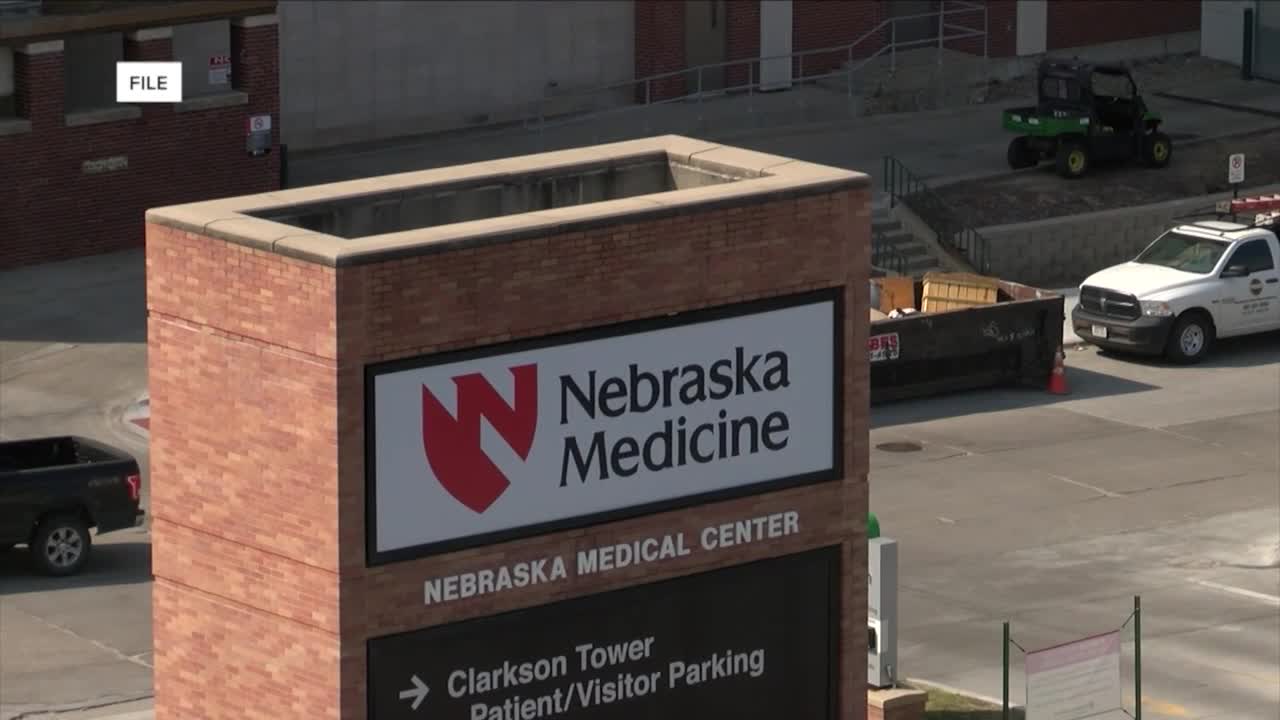

A former Nebraska Medicine CEO is voicing his concerns about the University of Nebraska's proposed $800 million takeover of the healthcare system, warning the deal could compromise the hospital's decision-making speed.
Dr. James Linder, who served as CEO of Nebraska Medicine for seven years and interim president of the University of Nebraska, said the takeover idea was first discussed at a 2024 meeting with representatives from Clarkson and the Board of Regents. However, he said Nebraska Medicine leadership wasn't informed about the plan until January 2025.
"The agility you need in making decisions in a very rapidly changing healthcare landscape - that is not the process that exists in a university," Linder said. "It's a consensus-building project. It's subject to state regulations on employees and investments. So it really would limit the effectiveness of Nebraska Medicine."
Linder says his concerns center on both governance and financial implications of the deal.
University of Nebraska President Dr. Jeffrey Gold defended the proposal as a "win-win" opportunity, saying it follows successful models at peer institutions.
"The model that has been in place very successfully for governance and for leadership in almost all of our peer academic medical centers and certainly within the Big 10 and the other peers that we compare ourselves to," Gold said. "Whether you're talking about the University of Michigan or Ohio State or the University of Iowa, so many others where there's a university governing board."
Financial concerns over rent-free facilities Linder raised specific concerns about how the university plans to finance the takeover, particularly regarding Nebraska Medicine's current rent-free use of facilities.
"Currently, Nebraska Medicine and by inference UNMC enjoy rent-free use of these facilities. And that rent-free use is until 2062, and it's being proposed that $300 million be paid for that," Linder said. "And that math doesn't add up for me."
He warned the university could start charging rent to Nebraska Medicine to fund the deal.
"If you look at the ways that they could fund it, they've really excluded every option with the exception of pulling money from Nebraska Medicine, and that could include charging rent to Nebraska Medicine for facilities that we currently have use of rent-free," Linder said.
Linder also questioned whether the takeover process violates Nebraska Medicine's governing rules.
"The organizing documents of Nebraska Medicine provide for any significant change in membership structure to require the unanimous approval of Nebraska Medicine, the Regents, and Clarkson, and thus far Nebraska Medicine has not been adequately engaged to weigh in on that," Linder said.
However, Gold said the university has pre-existing authority to proceed with the takeover.
"It was actually contemplated when in 1997 and then again in 2016 when the governance documents were renewed that when and if one of the two partners in this case Clarkson were to withdraw from their governance ownership responsibility, that the remaining partner in this case the university would become the sole governing partner," Gold said.
Gold emphasized that no taxpayer dollars will be used for the acquisition. Instead, the university plans to finance the deal through rental income or sale of $300 million in real estate, combined with annual distributions Nebraska Medicine already makes to its governing partners.
The final financing details will be worked out over the next five to six months, with the deal expected to close by the end of June.
Linder and other former CEOs are urging the Board of Regents to reconsider the proposal. The regents are scheduled to vote on the proposal January 15th.
This story was reported on-air by a journalist and has been converted to this platform with the assistance of AI. Our editorial team verifies all reporting on all platforms for fairness and accuracy.
