



OMAHA, NE. — Cameras mounted atop poles at recycling drop-off sites across northwest Omaha are helping the city of Omaha catch and cite people who illegally dump trash at these locations.
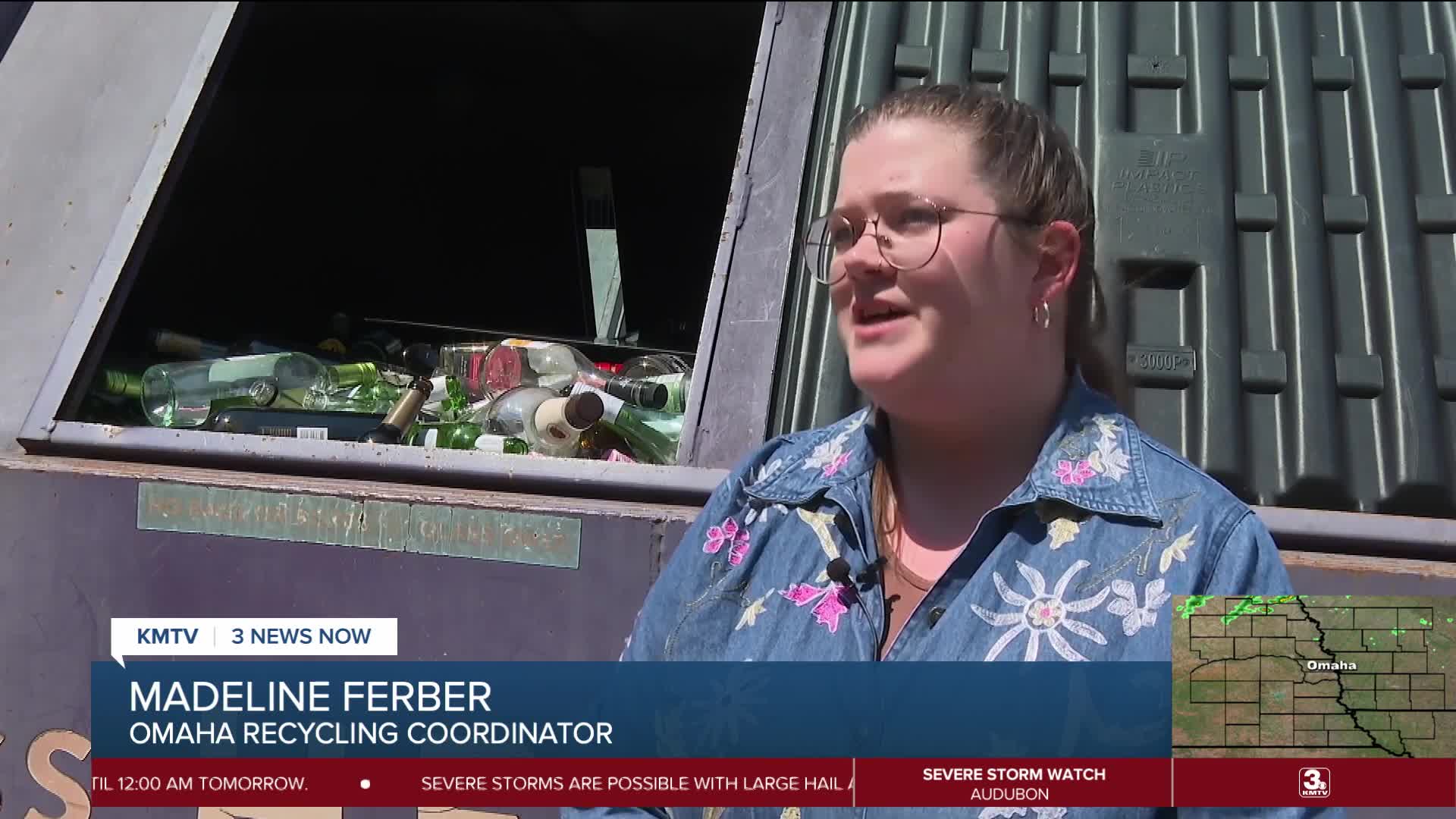
The cameras are owned by the Omaha Solid Waste Department and monitored by Omaha Recycling Coordinator Madeline Ferber.
"I check the sites daily. At least once per day, maybe a couple times per day to see if I see anything," Ferber said.
Ferber reviews footage from sites including one in Elkhorn and one in northwest Omaha off 120th Street, and turns over evidence of illegal dumping Omaha Police.
"We send that to our police department and our law department as well, so that goes to the city attorney and the city prosecutor," Ferber said.
The effort results in citations more often than not.
"Usually I'm able to get a citation issued, maybe four out of five times those instances occur," Ferber said.
According to Omaha Recycling, around 20 to 40 people are cited every year for illegally dumping. Penalties range from $75 to $500 and could include a driving suspension.
Enforcement targets Douglas County residents, even though the drop-off sites are open to everyone.
"So it is just Douglas County residents we go after, although the drop off sites are available for everyone," Ferber said.
Neighbors who rely on the sites say they hope the cameras help protect the resource.
"I don't wanna lose that resource because people are not being responsible and bringing trash and things that cant be recycled or donated to these locations," recycling site user Justin Birge said.
Birge said he had noticed the cameras but was unsure of their purpose.
"I have definitely noticed the cameras over the past few months and years and were curious what they were for," Birge said.
