



SOUTH OMAHA, Neb. (KMTV) —
- The Stephen Center in South Omaha has reopened its renovated residential addiction treatment facility, featuring bedrooms, common areas, and a gym.
- Staff members at the center, including outreach coordinator Brenda Finnegan and case manager Christina Schill, have personal histories with addiction and homelessness, bringing lived experience to their work supporting others in recovery.
- Chief Program Officer JP Castillo says most people coming to the facility arrive from homelessness with no resources, having cycled through detox and jail before seeking help at the Stephen Center.
BROADCAST TRANSCRIPT:
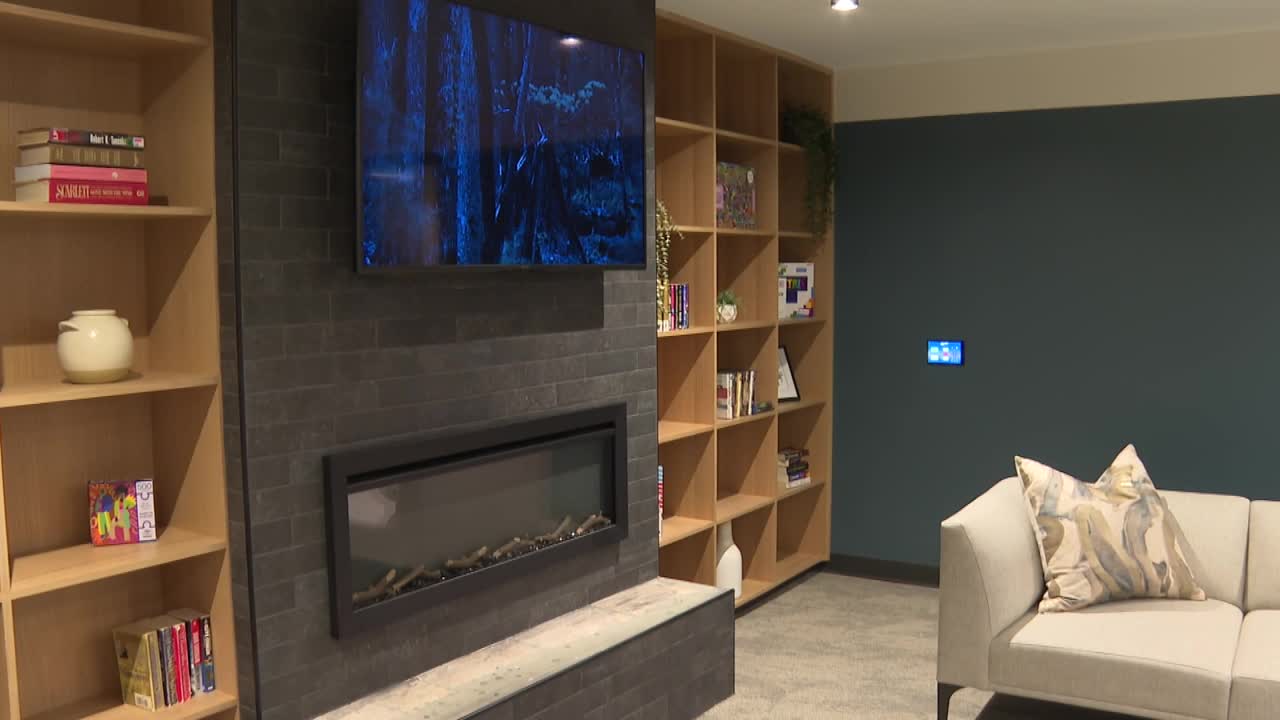
The Stephen Center in South Omaha has reopened its residential addiction treatment center, giving people in recovery a place to live as they work toward sobriety. The renovated facility includes bedrooms, common areas, and a gym.
Staff members at the Stephen Center know firsthand what it means to need that kind of support. Brenda Finnegan, an outreach coordinator at the center, previously struggled with drug addiction, lived on the streets, and cycled in and out of jail.
"And so I remember...I have a thousand stories of just like hiding out behind dumpsters...hiding out in people's houses...going in apartments that I didn't know," Finnegan said.
Christina Schill, a permanent supportive housing case manager at the center, also has a personal connection to the mission.
"Well I'm a recovering addict from methamphetamine...I was fourteen years old...I became very strongly addicted at sixteen," Schill said.
JP Castillo, chief program officer at the Stephen Center, said the facility is designed to serve people who have exhausted their options.
"Most of what we are seeing is people coming from homelessness...they don't have any resources. And they've hit rock bottom, they identify that they have nowhere else to go...and so they end up in a detox system...they end up in jail...and they are at a point where they find out what is left for me...what option do I have?" Castillo said.
Chris Knauf, CEO of the Stephen Center, said the design of the new space was intentional.
"Particularly addiction recovery programs that were built at that time...there wasn't as much understanding of the importance of environment," Knauf said.
This story was reported on-air by a journalist and has been converted to this platform with the assistance of AI. Our editorial team verifies all reporting on all platforms for fairness and accuracy.
