



OMAHA, Neb. (KMTV) — BROADCAST TRANSCRIPT:
Nebraska has a new driver's license design featuring a change to a black and white photo, the Bob Kerrey Pedestrian Bridge, cattle among other imagery.
When the DMV announced it, it says the changes make the license harder to copy, reducing identity theft and counterfeits. So that got me thinking about how much data the DMV has and who really owns the data that is our face.
Rhonda Lahm, Nebraska DMV, said:
"They're actually taking measurements of people's faces and store it so there's a way to match people's faces from those measurements."
In other words, when you get a new license picture taken, the DMV can use those measurements to compare with license pictures to make sure it’s you. Lahm says this has been the case for over a decade.
Currently, access to that data is limited to the DMV, law enforcement, and the third-party vendor that produces the physical cards. But cybersecurity experts say the way that data is protected matters just as much as who can see it.
Peng Jiang, an assistant professor of cybersecurity at the University of Nebraska Omaha, said:
"I think it's good practice for the Nebraska DMV to put a strong regulation on who could access the photos on a drivers license."
Jiang said it's important for the facial data to be encrypted in case of a cyberattack or data breach.
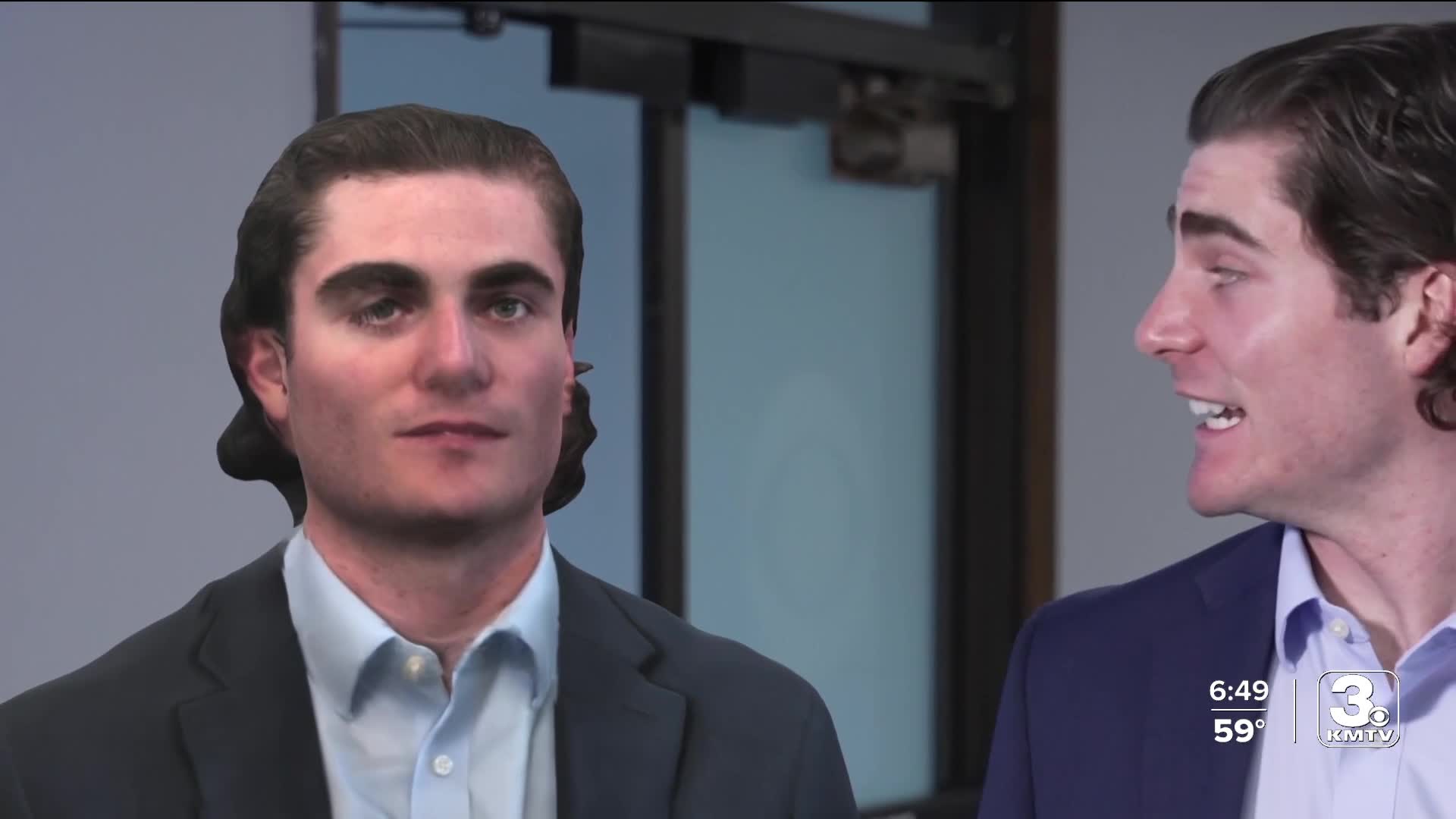
The concern goes beyond driver's licenses. It only took me 5 minutes to create a 3D model of my own head using technology available today. As artificial intelligence becomes more sophisticated, Jiang said online identity verification systems need to prepare for 2D fakes, 3D fakes, and even video fakes.
A good example of this is a security software that forces someone to turn their head slightly for verification. All an impersonator needs is a software that can create an expanded model from a photo, potentially with the help of artificial intelligence, to beat the system.
Jiang tells me, it’s a constant race between attackers and researchers to develop new technology and software before the other.
Jiang said:
"You don't know who is behind the screen using your facial image for what purposes."
His advice: stop posting pictures of yourself on social media and be extra mindful what information you have on the internet.
Jiang and I also spoke about the current power of AI in the context of how realistic it can get. He tells me that an app called SeeDance 2.0 was creating AI videos so accurate that the Chinese government actually had to crack down on the use of human faces on the program.
The current outlook can definitely seem overwhelming, but like many things Jiang says it’s often a trade off between privacy and convenience. If you want to open your phone quicker, use the facial recognition feature.
This story was reported on-air by a journalist and has been converted to this platform with the assistance of AI. Our editorial team verifies all reporting on all platforms for fairness and accuracy.
