

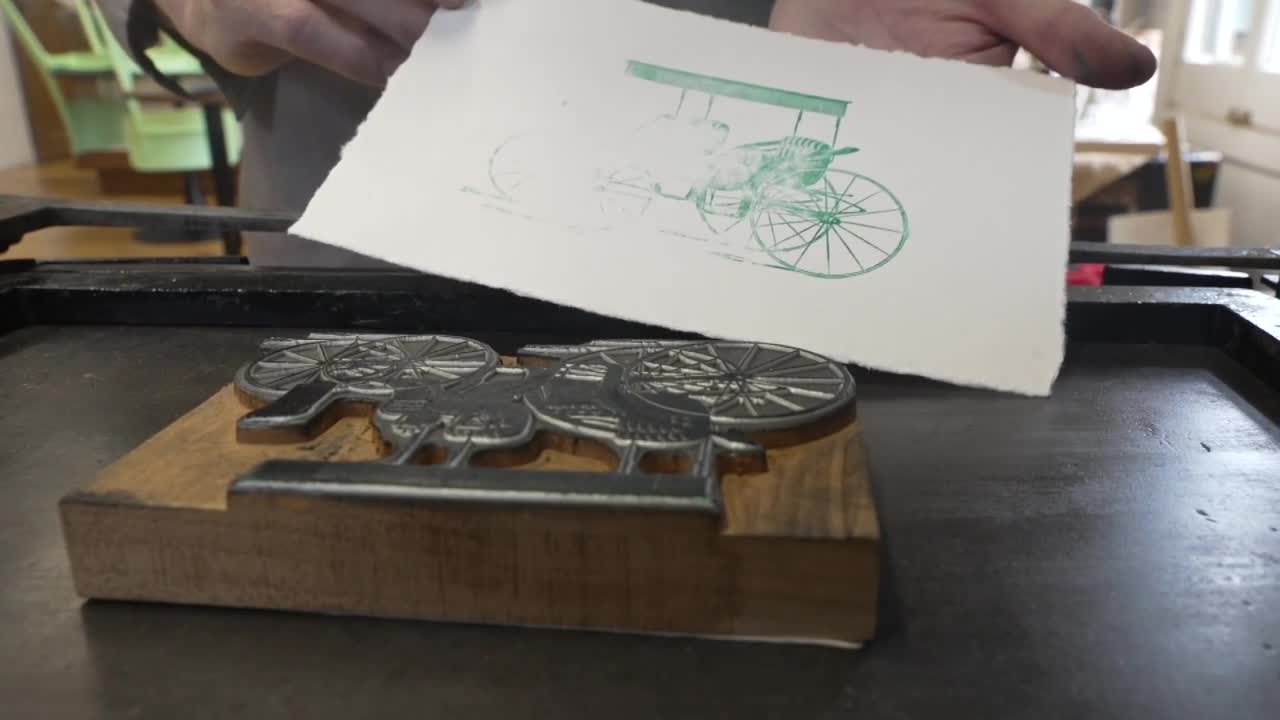


- Joslyn Castle has opened an interactive print exhibit featuring historic presses, including one from 1851
- The exhibit connects to George Joslyn's fortune built through the Western Newspaper Union's newspaper business
- Artist residencies, studio hours, and workshops are planned to launch at the exhibit this fall
BROADCAST TRANSCRIPT:
OMAHA, Neb. (KMTV) – The Joslyn Castle has opened a new exhibit where visitors can make their own prints on historic printing presses, including one from 1851.
The exhibit, housed in the castle's carriage house, currently features 2 presses donated by a local family, with additional presses coming soon from another donor.
Eric Woods, a project consultant, traveled from St. Louis to make repairs to the 1851 machine. He said the hands-on nature of the presses is what makes them special.
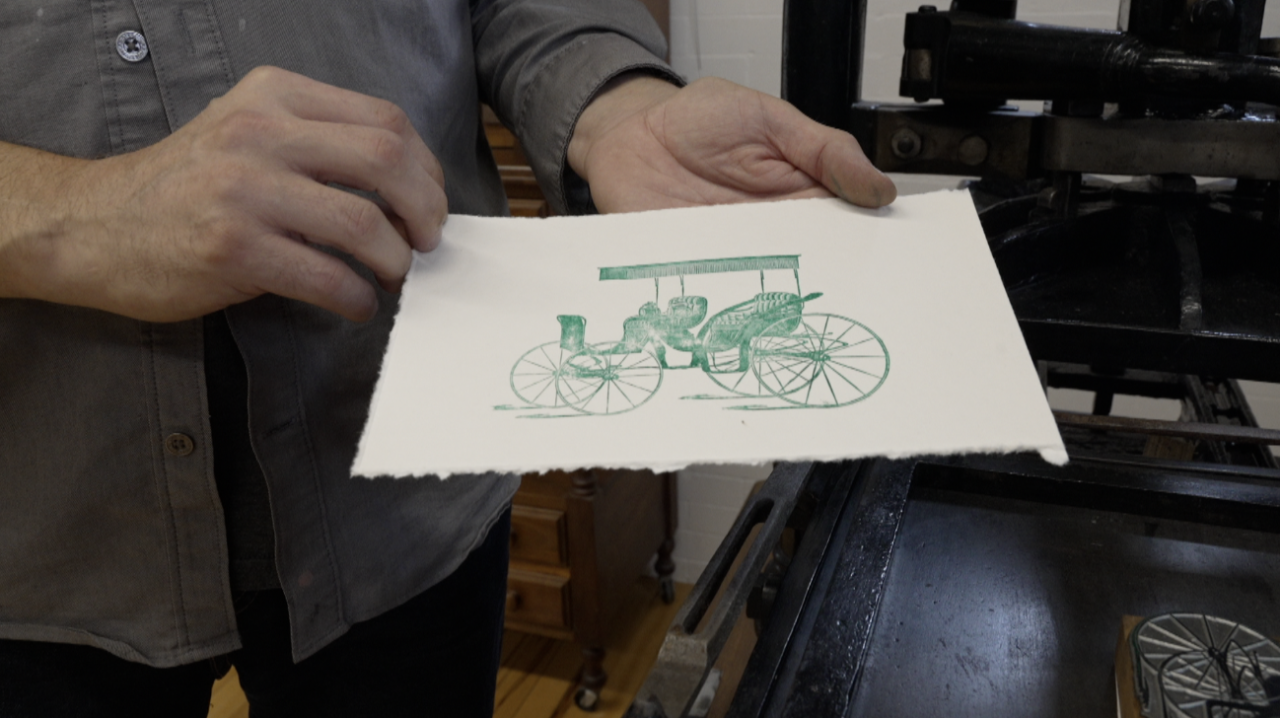
"The only way to really describe it is to do it," Woods said.
Woods said the age of the machine has not diminished its quality.
"Underneath all of the age, it still shines," Woods said.
The exhibit connects directly to the history of the Joslyn family.
Kelli Bello, director of development and outreach for Joslyn Castle and Gardens, said the castle's story begins with its founder's business empire.
"The Joslyn story starts with George Joslyn earning a huge fortune as the CEO and primary shareholder of the Western Newspaper Union," Bello said.
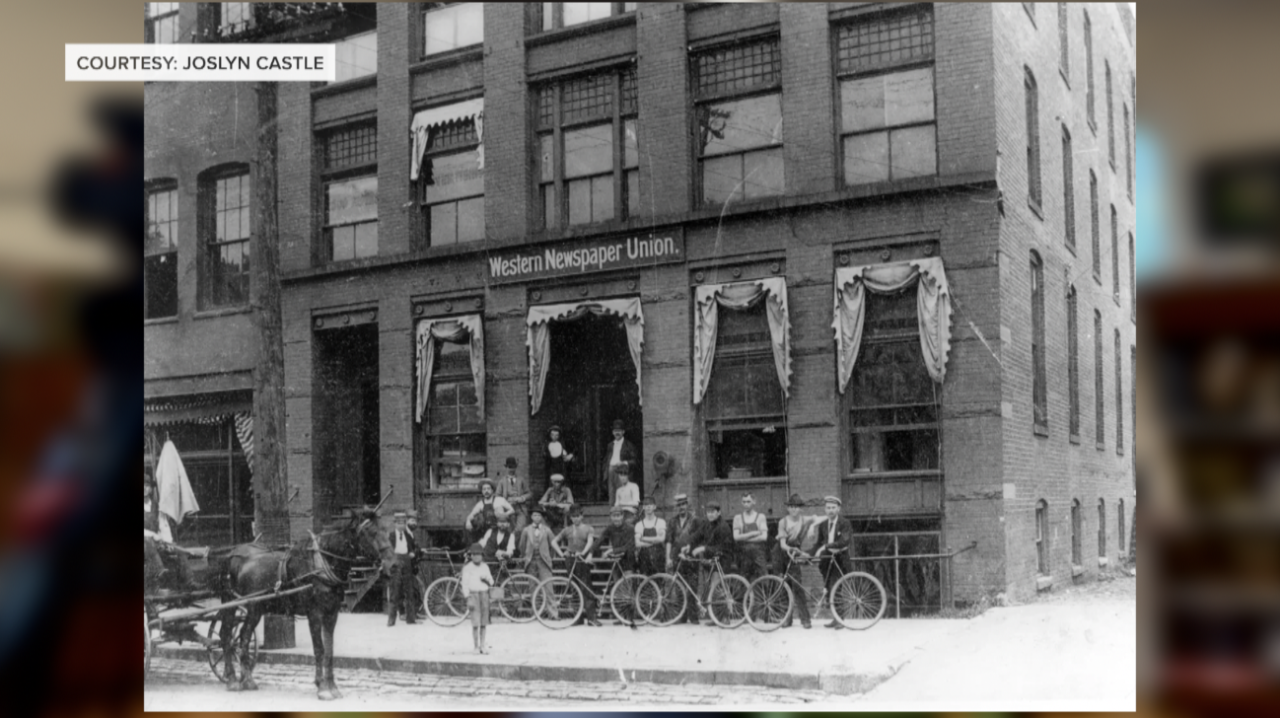
The Western Newspaper Union sold newspapers printed on presses like those now on display at the castle.
Bello said the goal is to make the exhibit fully interactive, not a static display. That's what she told the donor.
"We have promised him that when we take on this collection, we will activate it. So it won't be, you know, behind a velvet rope to be looked at. We want it to be an interactive museum where people can use printing presses, learn about the history of printing and journalism," Bello said.
Bello said the appeal of physical, hands-on printing feels especially relevant today.
"It feels like people are tired of AI, and they want to make something imperfect and special to them," Bello said. "It's real. And tangible. And imperfect like we all are."
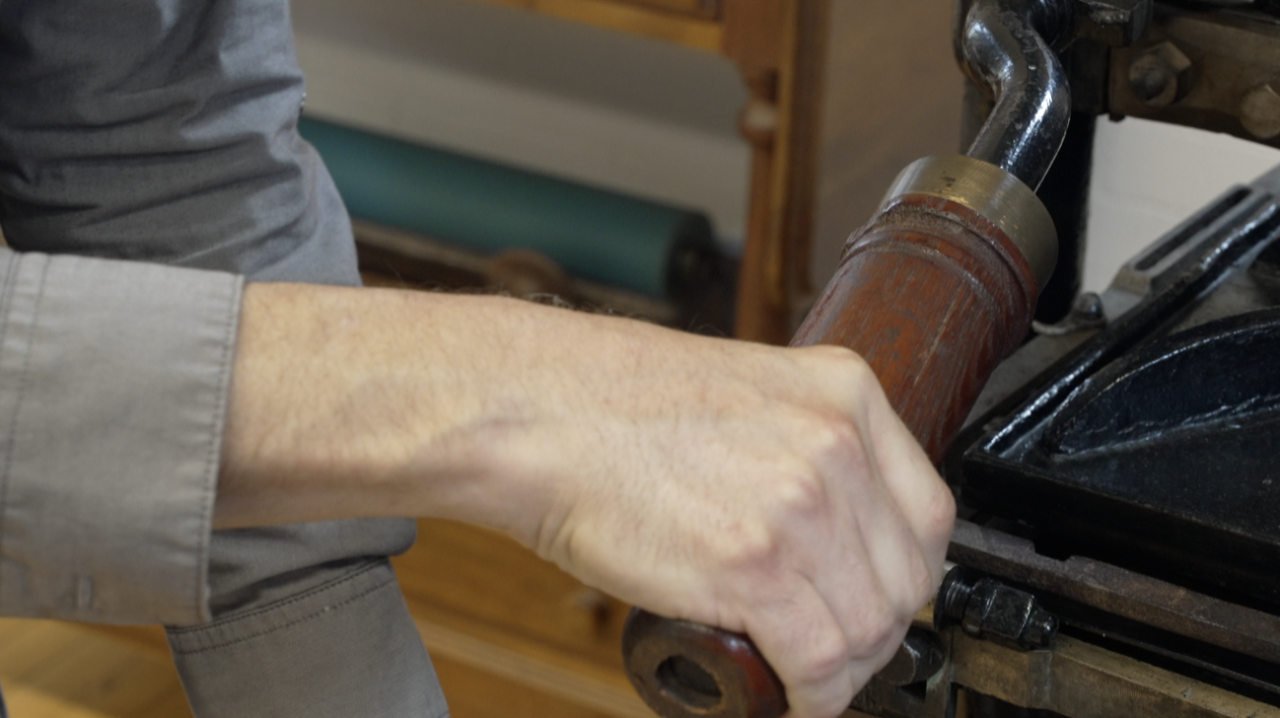
Woods said the process requires direct human involvement.
"This doesn't operate on its own. It's not an automatic thing. Your hands have to get engaged. Someone, a person, a human being has to engage with a machine to make something come out the other side," Woods said.
Starting this fall, the print exhibit will offer artist residencies, studio hours, and workshops.
This story was reported on-air by a journalist and has been converted to this platform with the assistance of AI. Our editorial team verifies all reporting on all platforms for fairness and accuracy.
