



OMAHA, Neb. (KMTV) — A new drug is giving hope to patients with one of the most lethal forms of cancer.
WATCH KATRINA'S STORY BELOW
Daraxonrasib is now available at Nebraska Medicine's Fred and Pamela Buffett Cancer Center through an expanded access program. The drug is not yet FDA approved but is approved for use as an investigational drug, meaning it is still being tested. It is currently available only to patients who are no longer responding to chemotherapy.
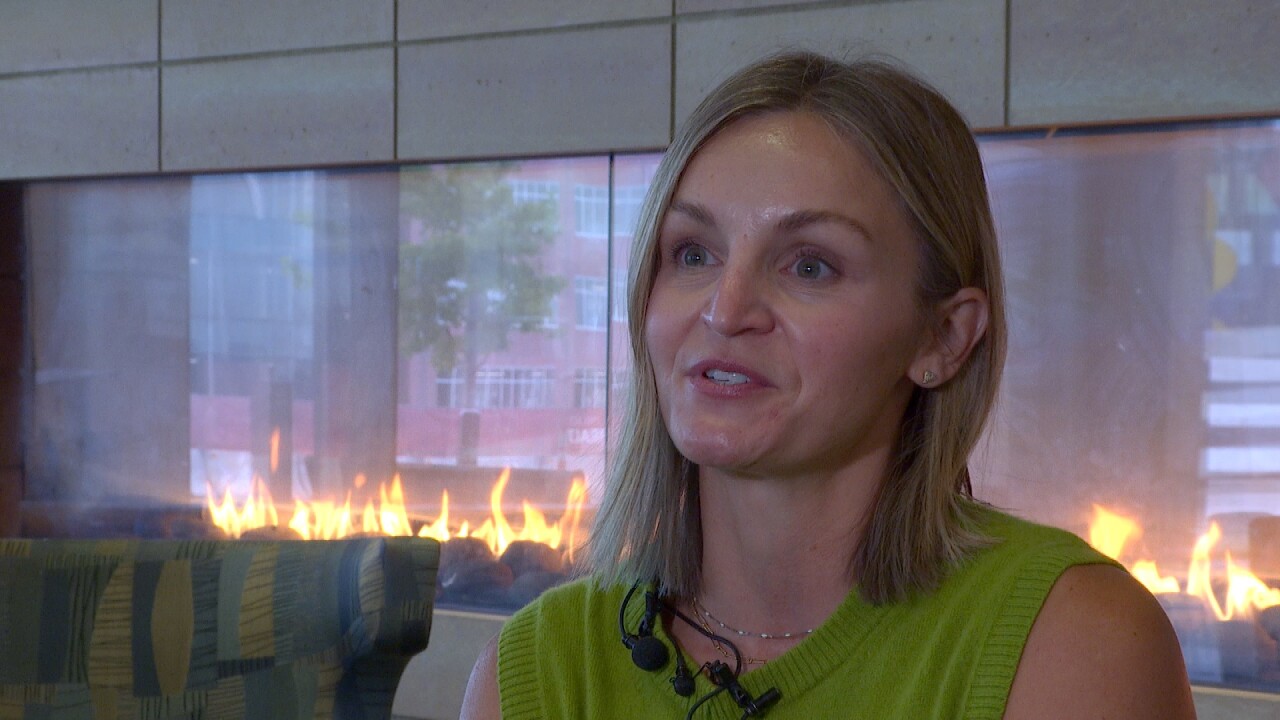
Pancreatic cancer is usually diagnosed in stage 4, after it has spread. Survival rates with chemotherapy average about six months, says oncologist Kelsey Klute, but patients taking Daraxonrasib are living twice as long.
"In addition to prolonging survival, probably as important, it actually preserved quality of life longer," Klute said. "This is really an unprecedented drug. It was like a really exciting moment for the field (of oncology)."
Former Nebraska Sen. Ben Sasse has spoken publicly about his pancreatic cancer diagnosis and his experience with the drug, which he received as part of a clinical trial.
"Having a terminal diagnosis isn't really that unique. We're all always on the clock," Sasse said on CBS News' 60 Minutes earlier this year.
The drug has only been available for about a week at the Buffett Cancer Center. For families like Bruce Prenosil's, that timing matters. His wife, Joan, was recently diagnosed with pancreatic cancer.
"She's having her second chemo treatment today. It hasn't been presented yet, but we're well aware of Ben Sasse. He's our hero," Prenosil said.
He says the availability of the new treatment gives him hope.
"I don't want to lose her. We've been married 51 years and I'd like to keep it," Prenosil said.
"I knew that anything we could do to make this available to our patients we had to do right away," Klute said.
This story was reported on-air by a journalist and has been converted to this platform with the assistance of AI. Our editorial team verifies all reporting on all platforms for fairness and accuracy.
