



- New research finds some medications are associated with an increased risk of autism diagnosis
- Researchers at UNMC looked at 15 medications and medical records for more than six million people
BROADCAST TRANSCRIPT:
OMAHA, Neb. (KMTV) – Rates of autism social disorder diagnoses for eight-year-olds are rising, according to data from the CDC. The rate was 1 in 150 in 2000. In 2022, the latest year of data, it was 1 in 31.
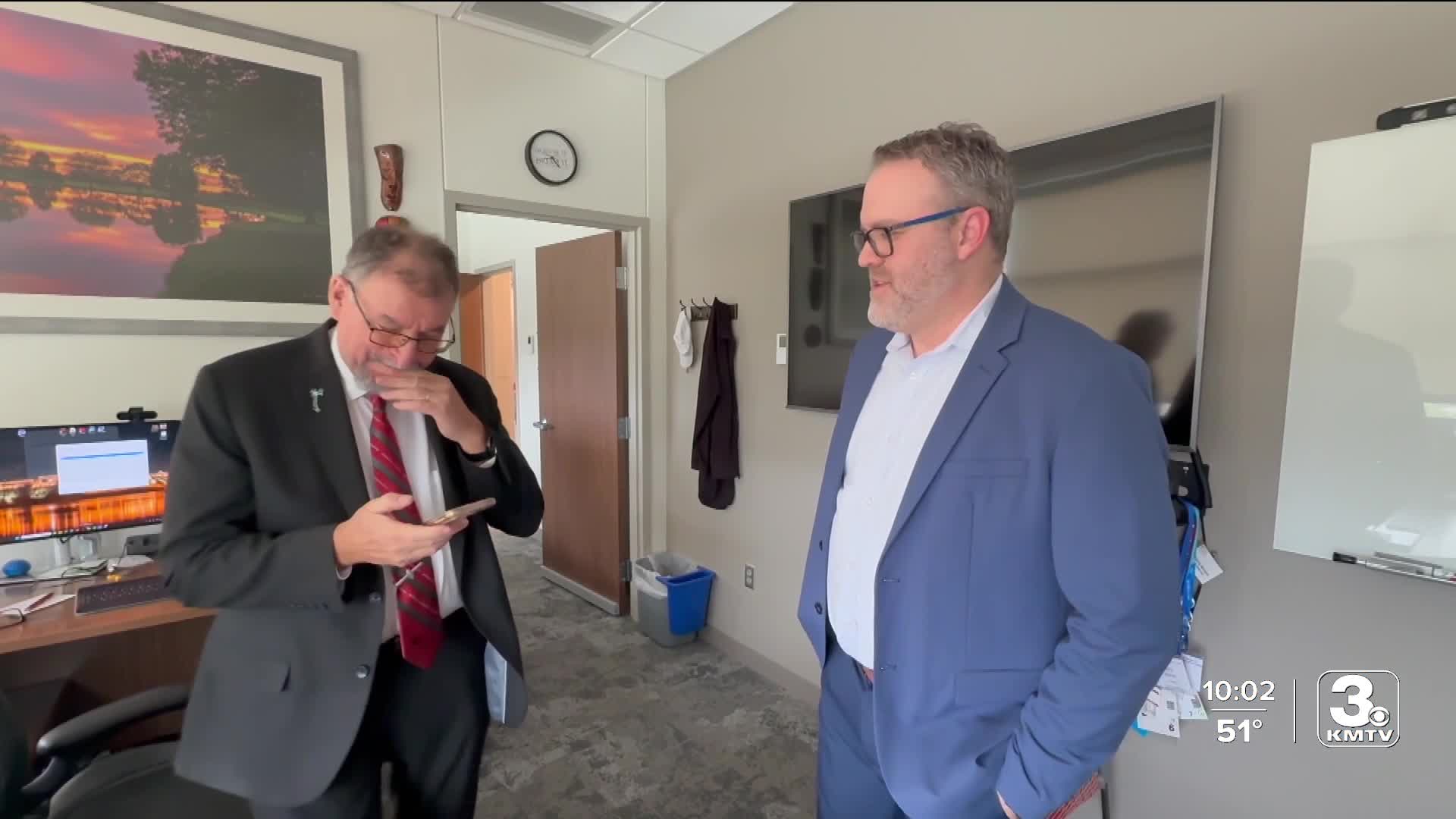
Dr. Eric Peeples and Dr. Karoly Mirnics are researchers at UNMC who conducted a study that was published in April 2026. Interested in learning more about cholesterol and how it impacts brain development, the study analyzed records for more than six million mothers and their children.
They looked at the use of 15 specific medications prescribed during their pregnancies, including some anti-depressants, beta-blockers, and statins.
The following generic name drugs were researched:
- Aripiprazole
- Atorvastatin
- Bupropion
- Buspirone
- Cariprazine
- Fluoxetine
- Haloperidol
- Metoprolol
- Nebivolol
- Pravastatin
- Propranolol
- Rosuvastatin
- Sertraline
- Simvastatin
- Trazodone
"These medications, when they're prescribed during pregnancy, are associated with an increased risk in the baby that results from that pregnancy of having one of the autism spectrum diagnoses," Peeples said.
Mirnics said women should not blame themselves for taking these medications.
"This is new knowledge, and we cannot translate group findings and population findings down to the individual level," Mirnics said.
Cathy Martinez's 22-year-old son, Jacob, has autism. She didn't take any of the medications in the study during her pregnancy.
"I think it's great when people do research, and we do have findings like this that do provide answers for some people. But we also need to continue to do research so we have answers for everyone," Martinez said.
Dr. Cindy Ellis is a developmental behavioral pediatrician. She said these findings could have a big impact.
"We now have one more piece of science giving us some information or another piece of the puzzle as to what causes autism," Ellis said.
Dr. Ellis, Dr. Mirnics and Dr. Peeples all said if you have concerns, you should talk to your doctor and that you shouldn't stop taking any medications without consulting your doctor first.
This story was reported on-air by a journalist and has been converted to this platform with the assistance of AI. Our editorial team verifies all reporting on all platforms for fairness and accuracy.
