


OMAHA, Neb. — Sixty years ago, Nebraska voters approved an amendment that said the state could not levy property taxes for state purposes. And yet, relief and things like school funding programs make up nearly half — 47% — of the state budget.
The quandary may be as close to a nonpartisan issue as we'll find in Nebraska politics, with all three candidates for governor agreeing that something must change, even as they disagree on how to get there.
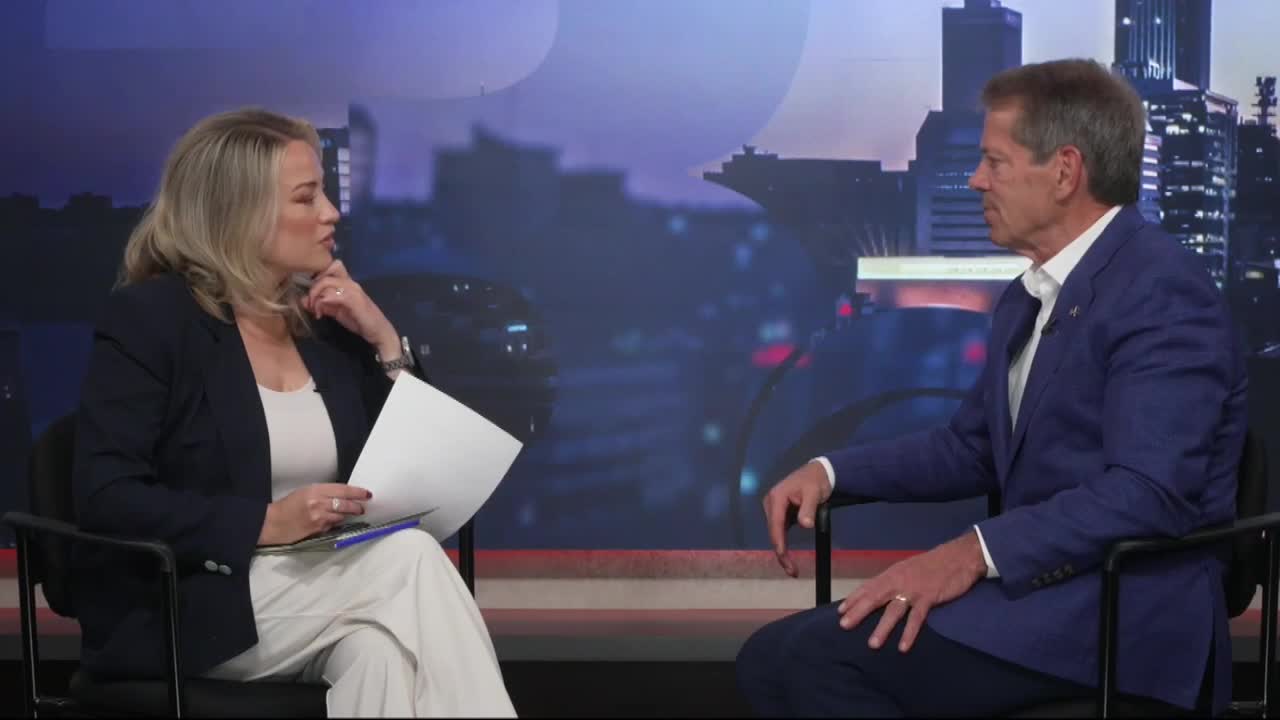
Gov. Jim Pillen, who has served in the office nearly four years, says he understands why the problem has gone unsolved for so long.
"I understand why no governor's tackled this ... because there's a lot of voices come out," Pillen said. "I'm not worried about that. What we've gotta do is get 33 votes."
When I asked who's getting in the way of that, Pillen pointed to outside pressure on lawmakers.
"People that are concerned. They get duped by lobbyists that if they vote for something, they won't get re-elected," Pillen said.
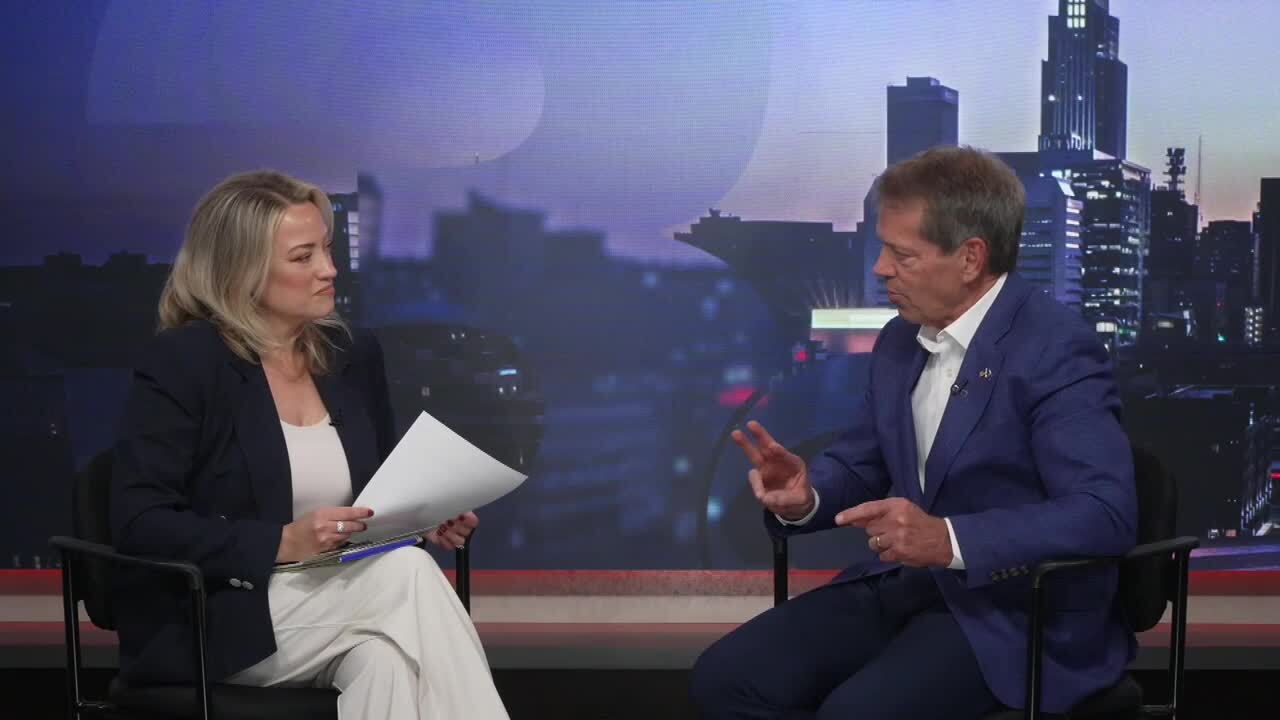
When I asked whether he was worried about not being re-elected because of property taxes, he was blunt. "No. Nobody's ever worked harder at it than me."
Pillen's position centers on sustainability and capping valuations.
"My position is really simple. If the solution is always more money and more people, that's not sustainable," Pillen said.
Brett Lindstrom
Brett Lindstrom, now at the top of the ticket for the new "America First" party, sees a solution he describes as less politically fraught.
Rather than capping valuations, Lindstrom wants to average them out — for agricultural, commercial and residential property.
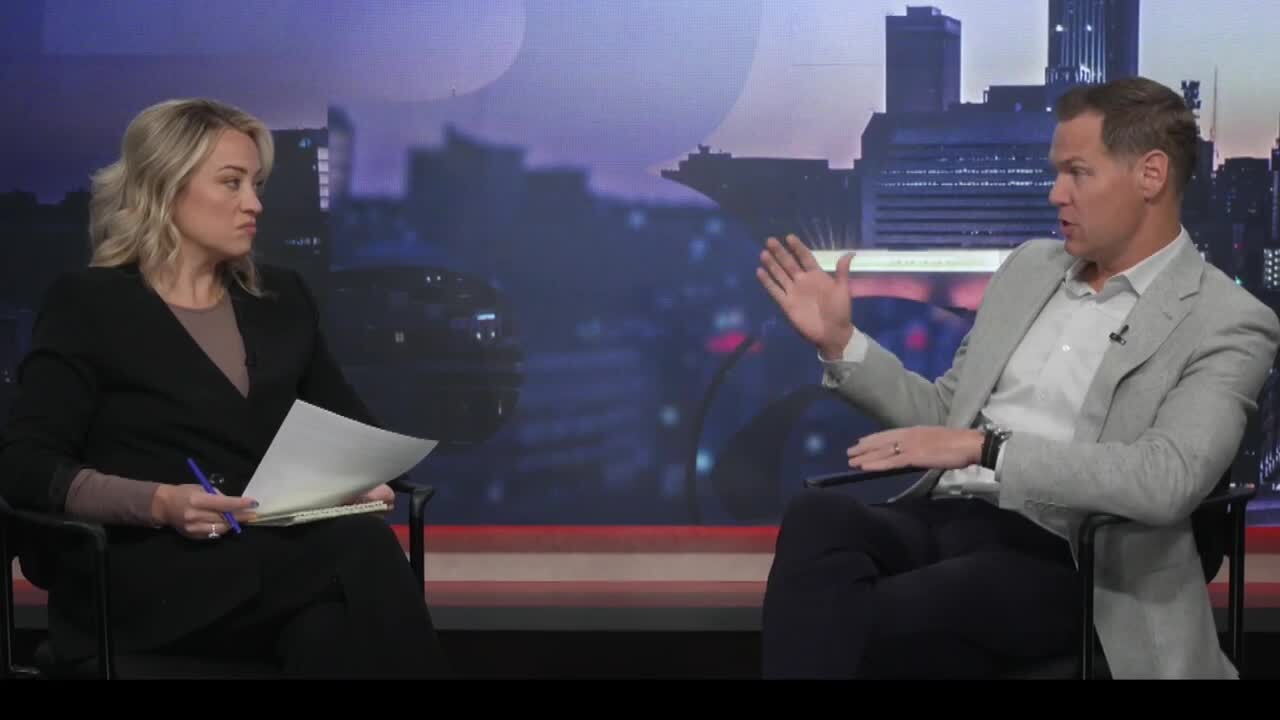
"Part of this is — you're going to have to average the valuation so we don't get these 20 to 25% spikes. And you're going to have to go into what they call the TEEOSA formula — how we fund education. In there is what's called the local effort rate. That local effort rate is the biggest lever that we can pull," Lindstrom said.
Lindstrom believes it could take up to a decade to get Nebraska where it needs to be with property taxes, cautioning there is no quick fix.
"And so, over time, again, it's time and growth are the main things," Lindstrom said. When I noted that people who are broke today find it hard to be patient, he responded, "Depends on how fast we grow. There's no silver bullet to this. And that's the thing is they want it to be a silver bullet."
Lynne Walz
Lindstrom and Lynne Walz, then-chair of the Education Committee, had worked together in 2022 on a monster bipartisan initiative that would have lowered tax levies with no new taxes or tax increases, with property tax savings estimated at more than $700 million — between $715 million and $760 million.
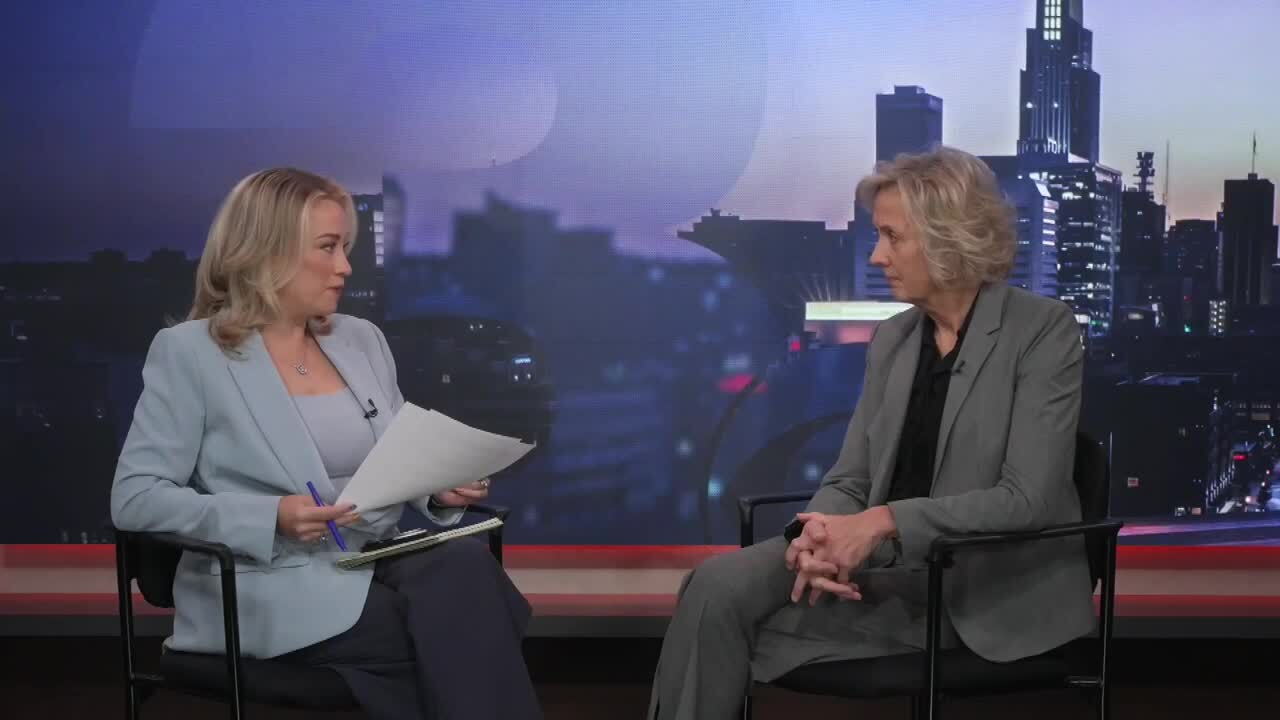
Walz plans to start her approach with homestead exemptions.
Walz, who was then a state lawmaker, says the plan stalled despite early momentum.
"The very first day, first reading. Didn't get it passed. And I think that, honestly, it was because I was a democrat," Walz said.
Walz says the broader failure to deliver relief came down to politics.
"Well, first of all, let me tell you that we had plenty of opportunities to pass property tax relief in the legislature while I was there," Walz said. When asked why it didn't happen, she said, "There was just no political will to get it done."
 Facebook
 YouTube
 Instagram
 X
This story was initially reported by a journalist and has been converted to this platform with the assistance of AI. Our editorial team verifies all reporting on all platforms for fairness and accuracy.
