

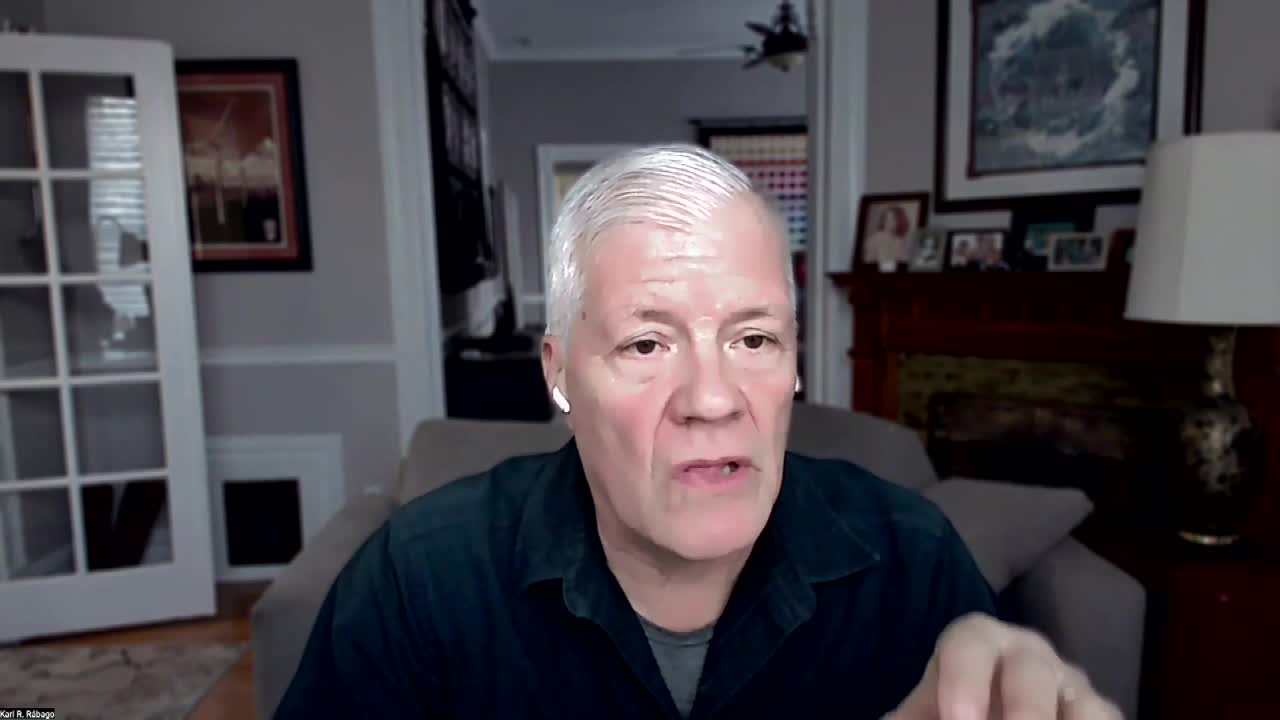

- Clean-energy expert Karl Rábago says coal is one of the least reliable energy sources, especially in extreme weather.
- OPPD leadership warns converting the station to natural gas could risk outages and increase customer costs.
- Community advocates continue pressing for a transition, raising concerns about reliability, health, and data-center demand.
BROADCAST TRANSCRIPT:
With just days left before a pivotal vote on the future of OPPD’s North Omaha Station(NOS), neighbors and clean-energy advocates are stepping up their efforts—hoping board members and the broader public see a fuel transition as the right move for the metro.
Their push has included community meetings, organizing, and showing up in force at OPPD board sessions. Now, they’re bringing in outside expertise.
This week, clean-energy consultant Karl Rábago met virtually with North Omaha residents ahead of a neighborhood panel discussion. Rábago says coal—often framed as a stable, reliable base-load resource—is actually one of the least reliable sources when weather conditions turn extreme.
“The reason why the coal plant is the worst thing to depend on… is because it’s so bad. When coal plants fail—and when they fail, they fail catastrophically,” Rábago said.
While advocates are making their case, OPPD leadership has urged the governing board to vote against the planned natural-gas transition. Executives have pointed to internal assessments indicating that coal isn’t significantly affecting local health, and that keeping the plant running as-is provides more reliability and more predictable customer costs.
“Converting North Omaha on schedule… would risk our ability to serve load, it would risk service interruption to existing customers, and it would drive bills even higher,” Javier Fernandez, CEO told me in a conversation weeks ago.
Rábago, who also serves on the Colorado Electric Transmission Authority, argues the pressure on Omaha’s grid is coming from somewhere else entirely.
“Let’s just call it what it is… data centers. And data centers like lots of energy—and they have very high demand,” he said.
OPPD told me that its health and environmental assessment—currently under public scrutiny—will serve as just one piece of information board members evaluate before making their final decision on the plant’s future.
Near John J. Pershing Drive and Florence Boulevard, I’m Melissa Wright, your North Omaha Neighborhood Reporter.
This story was reported on-air by a journalist and has been converted to this platform with the assistance of AI. Our editorial team verifies all reporting on all platforms for fairness and accuracy.
