

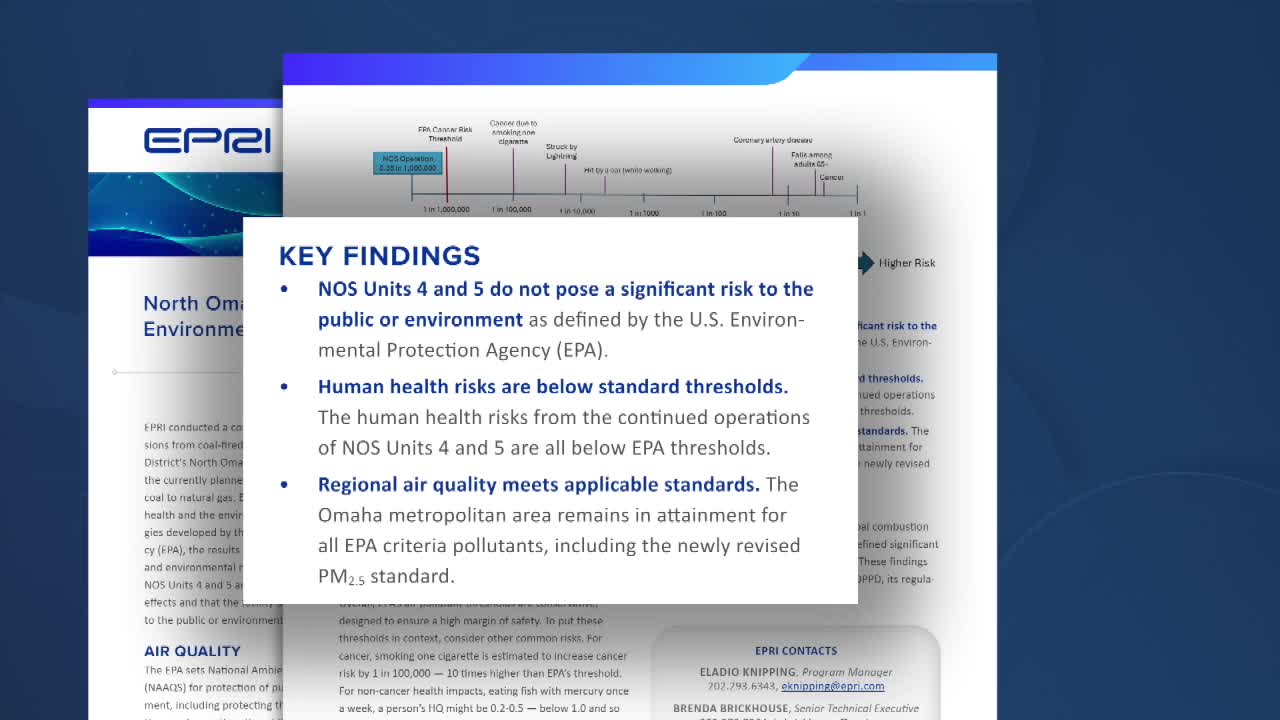

- Neighbors frustrated as OPPD releases a report saying coal units pose “no health risk” under federal guidelines.
- Environmental sociologist says the study overlooks major pollution-related health threats.
- OPPD board to decide Dec. 18 whether to delay the promised coal-to-gas transition.
BROADCAST TRANSCRIPT:
North Omaha Neighbors Say New OPPD Report Raises More Questions Than Answers
A new OPPD-commissioned health and environmental assessment has left some North Omaha neighbors frustrated, saying the findings arrive at a critical moment — just as the utility weighs whether to delay the long-promised coal-to-gas transition at the North Omaha Power Station.
For residents like T. Michael Williams, who has attended numerous OPPD board meetings and private briefings, the timing feels like a setback. The utility had previously said the remaining coal units would transition by next year.
“No, it’s not a surprise, it’s a disappointment but it’s not a surprise… it’s just the way the game is played.. they want to keep it open, they want a decision.. if the decision is to keep it open they want to be able to justify that decision,” Williams said.
What the Report Says
The assessment concludes that the Omaha metro remains within EPA limits for all monitored pollutants, and that Units 4 and 5 pose no health risks under federal guidelines.
But environmental sociologist Ryan Wishart says the study doesn’t address several key, science-backed concerns associated with coal-fired plants.
“some of the main health threats from coal plants are some of the particulates and other forms of air pollution like o zone that are associated with cardiovascular disease and asthma,” Wishart said.
OPPD’s Explanation
When asked how this assessment fits into long-term plans for the North Omaha Station, an OPPD spokesperson responded in a written statement:
“This assessment is one piece of a larger, ongoing conversation about the future of North Omaha Station. It was commissioned in response to community concerns and is intended to inform decision-making with transparent, science-based data.”
Wishart argues the report still leaves gaps.
“The study doesn’t actually do much with those beyond reporting.. that we are in compliance at a regional level with EPA standards,” he said.
What Happens Next
OPPD’s board is expected to vote later this month on whether to push back the transition timeline. The decision is scheduled for December 18.
For Williams, the choice carries real implications for those who live closest to the plant.
“The people who are advocating for this don’t live here, they are not raising their children here, they are not under the same threat,” he said.
At the North Omaha Power Station, Melissa Wright, North Omaha Neighborhood Reporter.
This story was reported on-air by a journalist and has been converted to this platform with the assistance of AI. Our editorial team verifies all reporting on all platforms for fairness and accuracy.
