



COLUMBUS, Neb. (KMTV) — BROADCAST TRANSCRIPT:
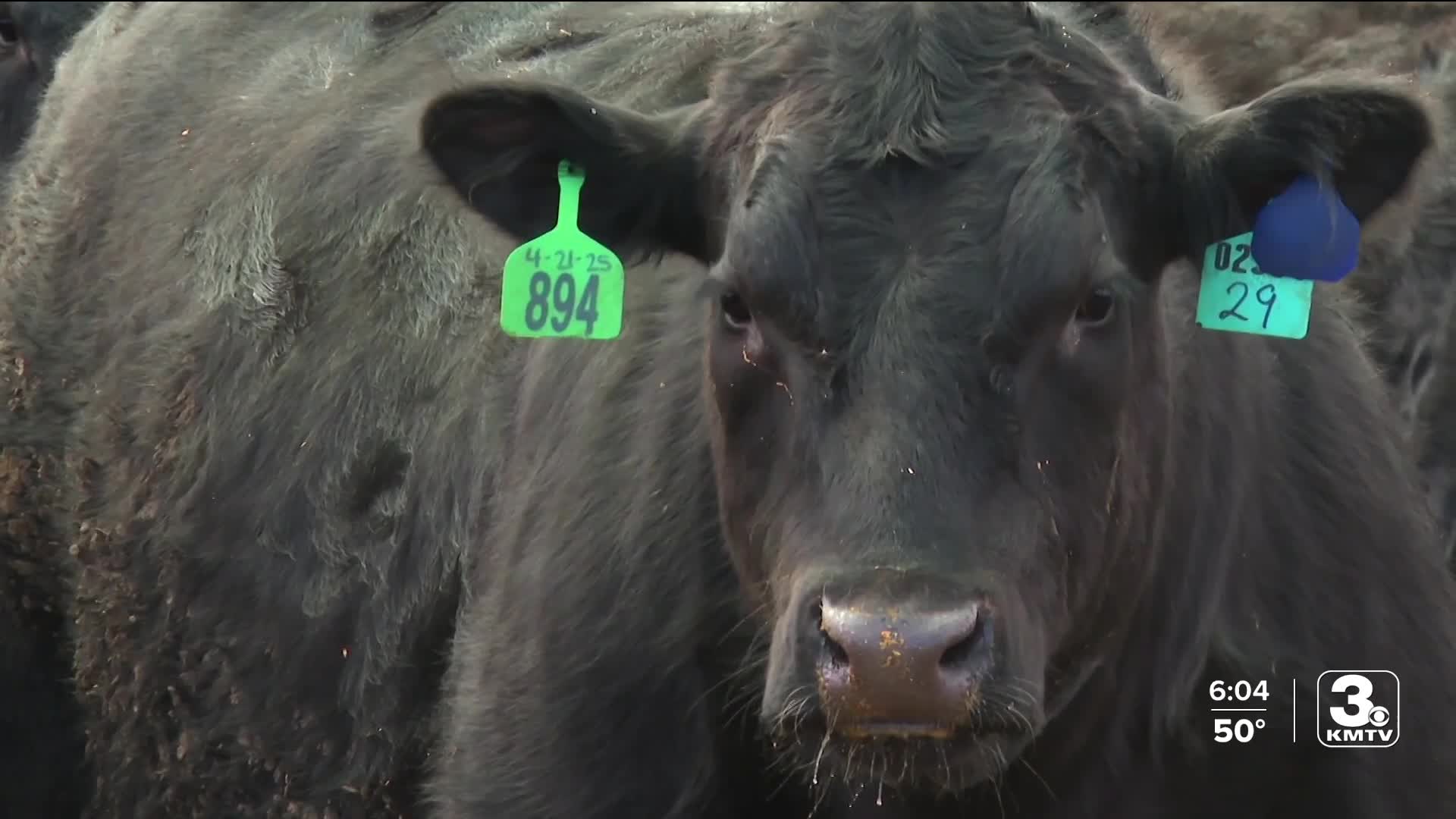
About 80,000 tons of beef is coming to the US from Argentina after an executive order from the White House, happening at the same time cattle numbers in Nebraska are reaching major lows as many shoppers are paying more for beef.
In a release from the Trump administration that 80,000 tons is planned to be imported in chunks throughout the year.
I drove out to Columbus where cattle feeder Mike Drinnin tells me the best way to raise cattle numbers is to give extra financial support to producers who work in an unstable market.
"For smaller producers to be able to use that policy to protect the breeding stock that they're trying to develop right now there's nothing available out there for them as in risk management," Drinnin said.
He's seen the market fluctuate because he's been in the business for a long time.
"Basically since I got out of college in 1982 so you think about it, it's been a few years," Drinnin said.
When a major flood struck around 2019, he was the president of Nebraska Cattlemen. One of his biggest hopes is that the USDA practices the same U.S. health standards with the imported beef.
But he doesn't expect cheaper groceries until herd numbers climb.
So I checked on those prices at Buresh Meats in David City.
"I don't know what the total answer is. All I know is that people on one end of the cattle market selling them really high are doing well, people trying to fatten them they’re not doing so well," Scott Buresh said.
Scott Buresh's strategy is to keep prices low to attract more customers. It helps that he doesn't sell just beef and he's even added new items to the store to help.
"The person that walks in the door that's our main concern so we're trying to get the best product at the best price," Buresh said.
"This story was reported on-air by a journalist and has been converted to this platform with the assistance of AI. Our editorial team verifies all reporting on all platforms for fairness and accuracy."
