


OMAHA, Neb. (KMTV) — Omaha may require food trucks to use a commissary kitchen daily. The City Council votes on the proposal May 19.
- The Douglas County Health Department already includes the commissary kitchen requirement in its guidelines, but Omaha city code does not. The proposal would make it official and enforceable.
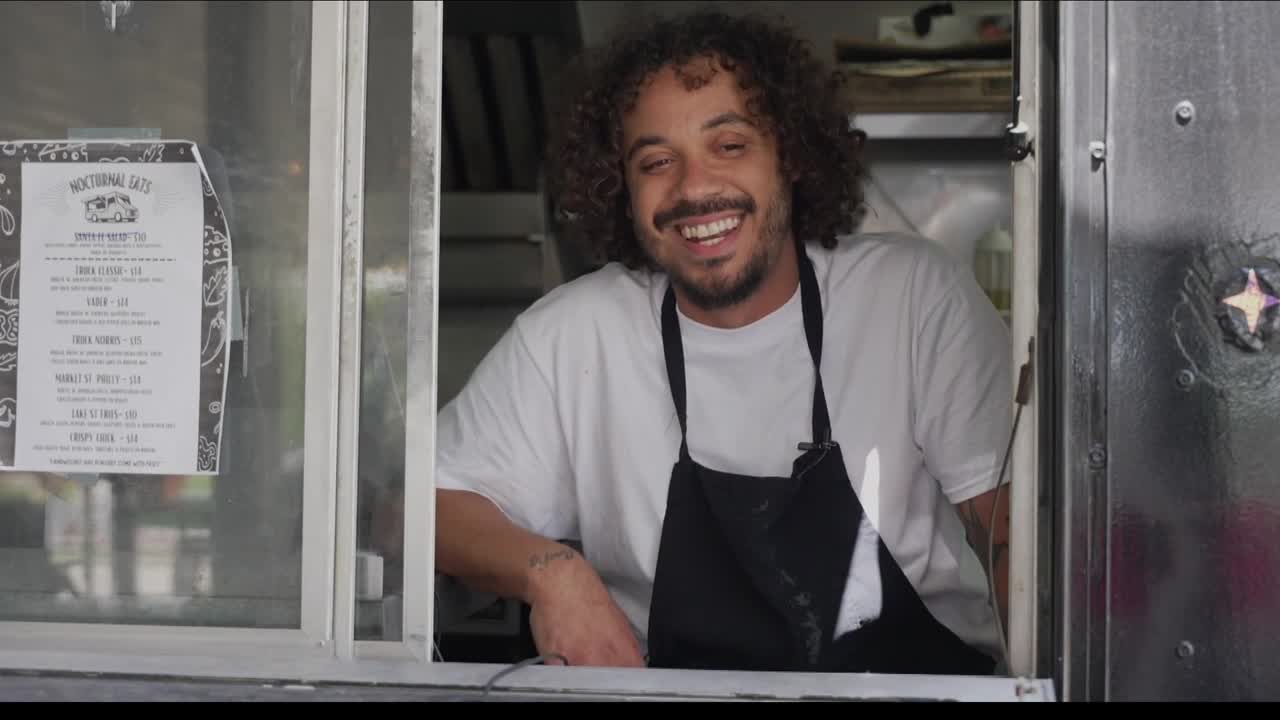
- Preston Vaughn, owner of the Nocturnal Eats food truck, thinks the change could help prevent unsafe food practices.
- "I mean, with all these new laws going into an effect, I think it's a lot easier for people to trust food trucks and food truck owners and know that, hey, we do our best to be clean."
BROADCAST TRANSCRIPT:
Food truck vendors could soon be required to work through a licensed commercial kitchen under a new Omaha city proposal.
The City of Omaha is proposing a change that would require all mobile food vendors to work with a licensed commercial kitchen and return there at least once daily. The Omaha City Council is scheduled to vote on the measure May 19.
The Douglas County Health Department already includes the commissary kitchen requirement in its guidelines, but Omaha city code does not. The proposal would make it official and enforceable.
At The Block Culinarium in northwest Omaha, owner and chef Dan Benigno runs Chef Around the Block, offering catering and cooking classes. He opened the multi-purpose space to give other chefs — including food truck owners — access to a professional-grade kitchen. Currently, only 2 food truck vendors use the space, but Benigno says he could see more requests if the proposal passes.
Benigno said the change is a positive step.
"Utilizing a commissary kitchen has its benefits outside of just the cleanliness and organization, just the camaraderie of other chefs."
He also pointed to practical limitations of operating solely out of a food truck.
"Storage space on your truck should be fairly limited. The cleaning is probably not as efficient or effective as it should be on your truck, either."
Preston Vaughn, owner of the Nocturnal Eats food truck, agreed the change could help prevent unsafe food practices.
"I mean, I definitely see a lot of food trucks skirting the laws a little bit. I can name a few, which I'm not, but..."
Both chefs acknowledged that cost could be a barrier for vendors just starting out.
"And then tacking on renting out a commissary kitchen on top of that, again, can be a huge expense as well too," said Benigno.
Still, Vaughn said the safety benefits outweigh the challenges.
"I mean, with all these new laws going into an effect, I think it's a lot easier for people to trust food trucks and food truck owners and know that, hey, we do our best to be clean."
This story was reported on-air by a journalist and has been converted to this platform with the assistance of AI. Our editorial team verifies all reporting on all platforms for fairness and accuracy.
