

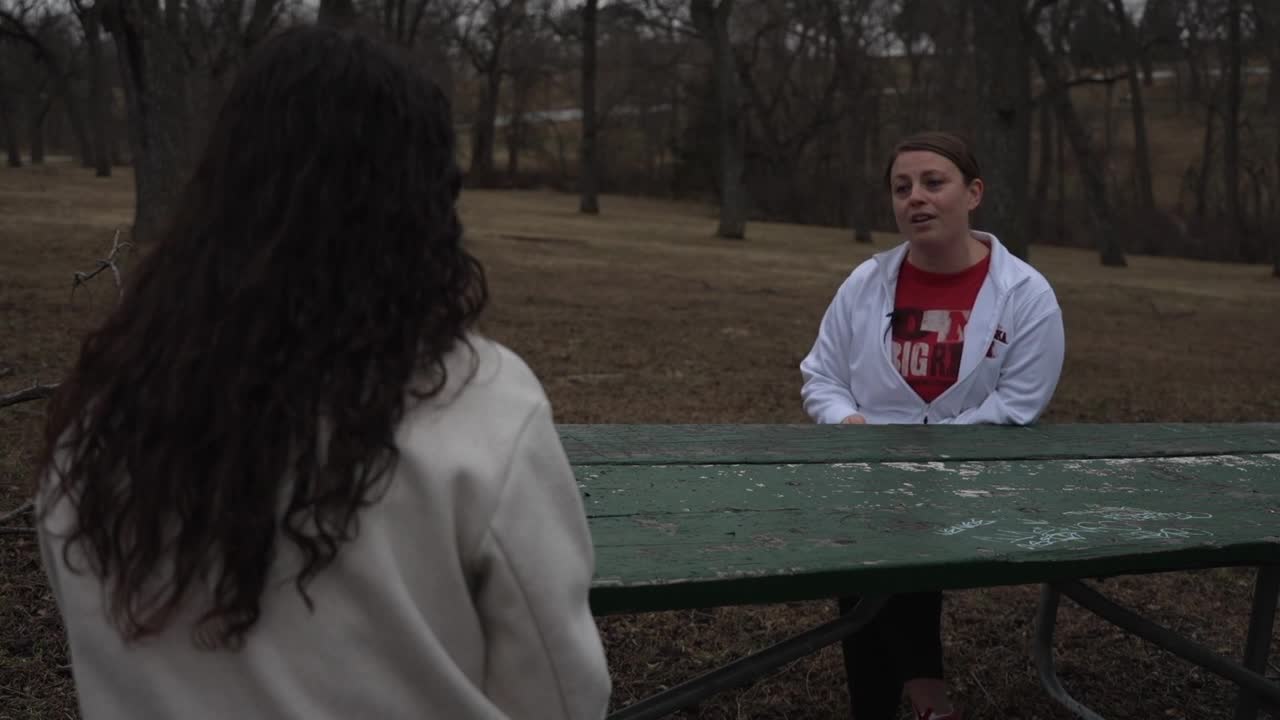

OMAHA, Neb. (KMTV) — The bill aims to ensure trained staff and proper equipment are available when seconds count. One west Omaha mom shares her son's story of survival.
- A little over two years ago at Walnut Grove Park in west Omaha, 12-year-old Memphis Zabawa collapsed in sudden cardiac arrest during a cross country meet.
- The bill would require a cardiac emergency response plan, or CERP, at every Nebraska school and athletic event.
- "We're so thankful to be able to hit all of these awesome milestones with our kid because of CPR because his life was saved," said Erin Zabawa.
BROADCAST TRANSCRIPT:
A little over two years ago at Walnut Grove Park in west Omaha, 12-year-old Memphis Zabawa collapsed in sudden cardiac arrest during a cross country meet, forever changing his family's life.
"I have never been so scared in my entire life," said Erin Zabawa, Memphis' mother.
Before EMTs arrived, two race spectators stepped in to give Memphis CPR, potentially saving his life.
"I do not know if she were not trained, if she would not have known what to do... I don't know what would have happened," Zabawa said.
The American Heart Association estimates about 23,000 kids experience cardiac arrest outside of a hospital every year. 40% are sports related, and without quick action, 90% will end in death.
Memphis was one of the lucky ones, but for too many families, these stories don't end in survival. That's why lawmakers are introducing a new bill aimed at making sure every Nebraska student has access to the same life-saving response Memphis received.
The bill would require a cardiac emergency response plan, or CERP, at every Nebraska school and athletic event.
"They have a plan where they are required to practice a cardiac drill, where they know where their AEDs are. They have a specific team that is assigned to respond in a certain way," said Dr. Matthew Sorensen, a pediatric electrophysiologist with Children's Nebraska who is part of the lobbying effort to make this bill law.
"When we make our schools safe, we make our communities safer. Because schools are one of those places where people gather for athletic events, plays, concerts, parent-teacher conferences," Sorensen said.
The Heart Association says a CERP can increase survival rates by 50% or more when people including teachers and staff are trained to administer lifesaving care before EMS arrives.
Because of the critical care Memphis received within seconds of his cardiac arrest, he is now a thriving 15-year-old playing soccer, tennis and even learning how to drive.
"We're so thankful to be able to hit all of these awesome milestones with our kid because of CPR because his life was saved," Zabawa said.
