



- Three major holes have opened on Omaha city streets since the start of 2025 in the Aksarben, Blackstone, and Downtown neighborhoods.
- Nebraska State Geologist says most of the soil in Omaha is loess.
- Loess is known for being loose and erodes easily.
BROADCAST TRANSCRIPT:
OMAHA, Neb. (KMTV) – Three major holes have formed on Omaha city streets since the start of 2025, impacting the Aksarben, Blackstone, and Downtown neighborhoods — and experts say the type of soil beneath the city may play a role.
Nebraska State Geologist Matt Joeckel said loess soil, which is loose, covers most of Omaha and eastern Nebraska.
"Under most circumstances, it's easily erodable," Joeckel said.
Joeckel said there could be a connection between the soil type and the so-called sinkholes forming, though pinpointing a direct cause is difficult.
"There may be some kind of correlation, and here's why. Loess is all over the place in Omaha," Joeckel said. "Establishing absolute cause and effect is pretty difficult."
Water was found in all three holes.
"It's evident that a pressurized water source has been scouring soil from beneath the pavement," Omaha City Engineer Austin Rowser said in February 2026 after the hole formed in Aksarben.
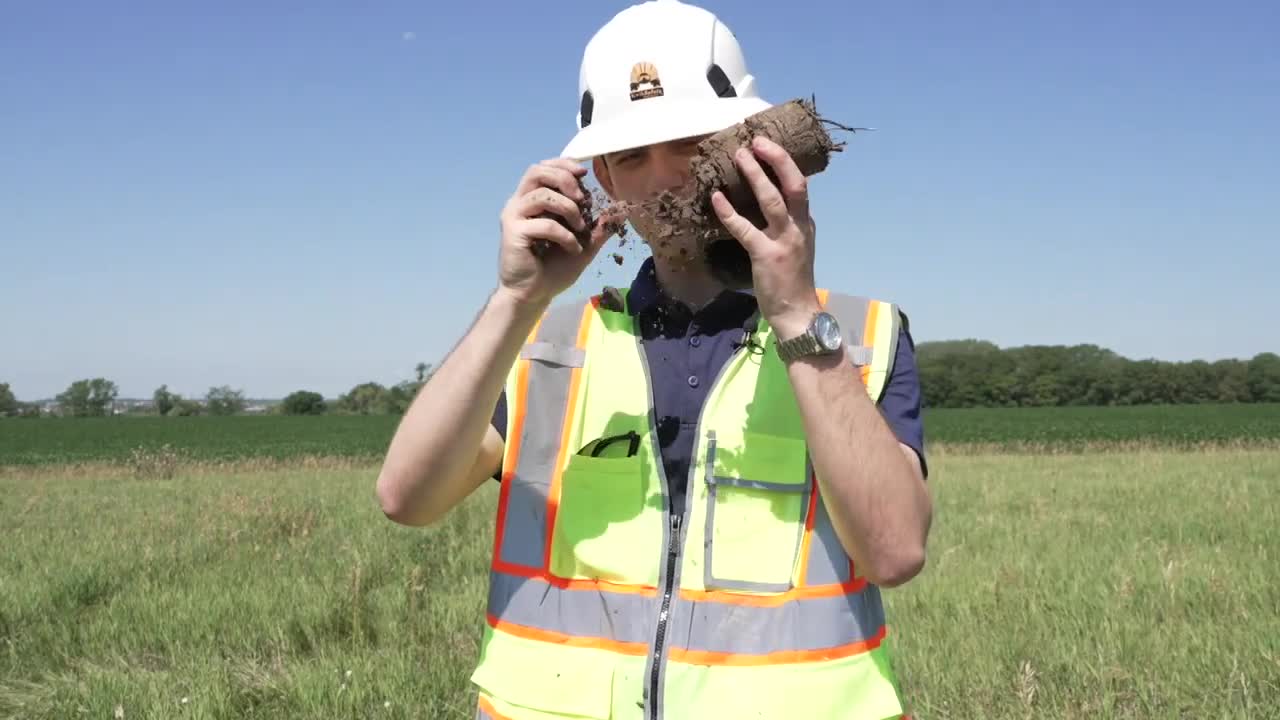
3 News Now's Jeremy Fredricks spent months talking with experts and traveled to a field site in Lincoln with geotechnical engineer Bill Arneson of Mainelli Wagner & Associates to learn more about loess firsthand.
At the site in Lincoln, crews had been drilling holes and pulling soil samples. The topsoil — about 18 inches thick — was loose and unstable, while the parent material beneath it was noticeably more sturdy.
Arneson takes core samples to measure soil strength so construction crews know what they are working with before building. He said engineers can build on loess soil, but it requires a different approach.
"We can either deepen our footings and put our footings closer to the stiffer soils that lie below the loess soils, or we can over excavate the loose soils and replace it with well compacted stiff soils," Arneson said.
The holes have also triggered legal action. Neighbors in the Regis Building in Downtown Omaha have filed a lawsuit against the city. The owner of the Blackstone Building said his lawyer is communicating with city attorneys.
This story was reported on-air by a journalist and has been converted to this platform with the assistance of AI. Our editorial team verifies all reporting on all platforms for fairness and accuracy.
