

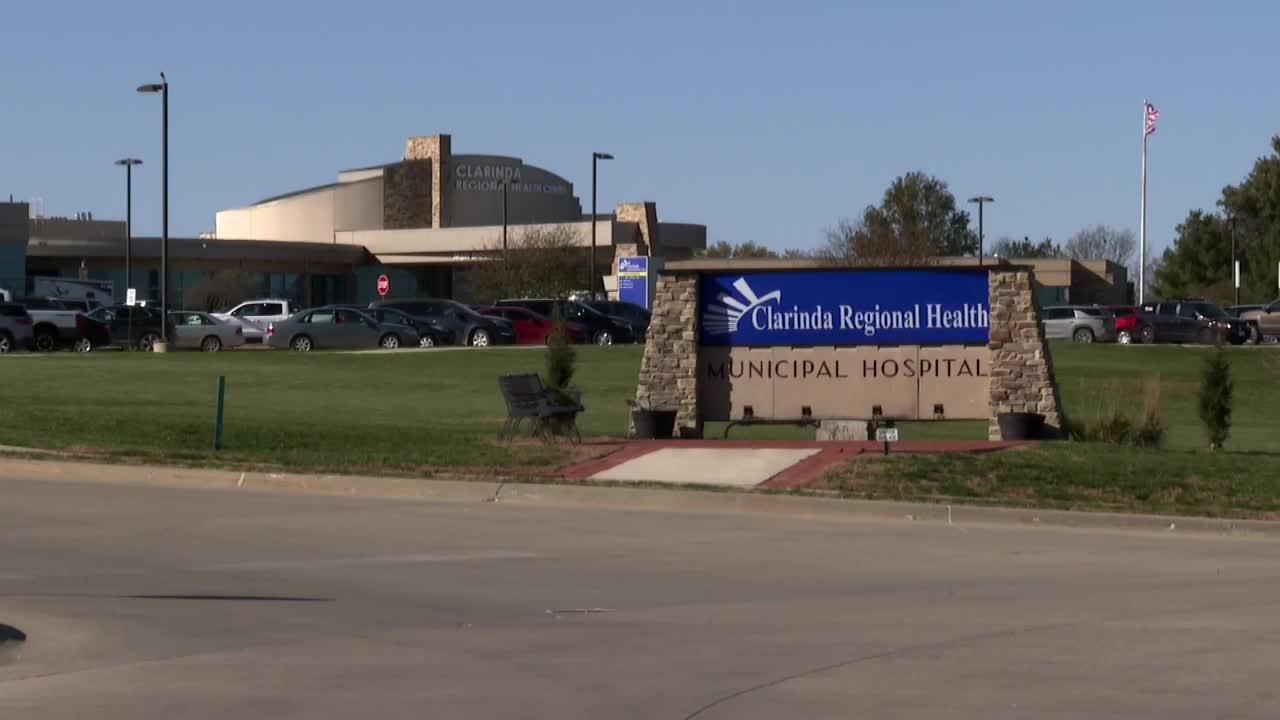


CLARINDA, Iowa — Governor-elect Rob Sand took questions from the media on Monday, in his first press conference following a landmark election last week. At it, he announced a chief of staff and a set of leaders to help in the transition process.
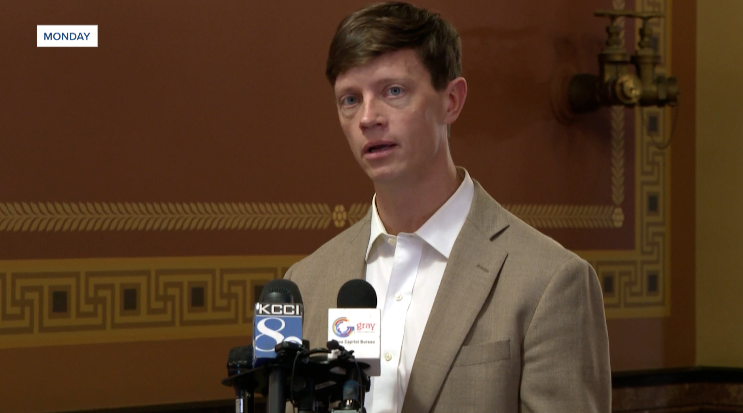
Additionally, making a statement that his administration will begin the process of ending Iowa's privatized Medicaid system beginning on his first day in office.
"This is not a thing that we can do overnight," Sand told reporters. "My intention is that this process begins on day one."
Significant changes to Medicaid coverage were enacted through the One Big Beautiful Bill Act of 2025, or H.R. 1.
It included significant cuts to funding, including policy changes that would make it more difficult for patients to receive and maintain healthcare coverage.
On Tuesday, Southwest Iowa reporter Katrina Markel reported 2,000 Iowans sit on a wait list for dental care, 400 of those patients include children.
"The need here in the southwestern part of Iowa is just overwhelming," Joel Dougherty, CEO of All Care Health Center told Markel on Tuesday. "You can leave Minnesota, on the western half of this state, and if you don't stop here you're going to get all the way to the Missouri Border without finding someone who takes adult Medicaid patients, which is just unacceptable."
WATCH: Iowa's dental care crisis 'unacceptable'
The access and wait list issue is largely pointed at the way Medicaid is reimbursed to provides, included a shortage of providers accepting patients using the insurance.
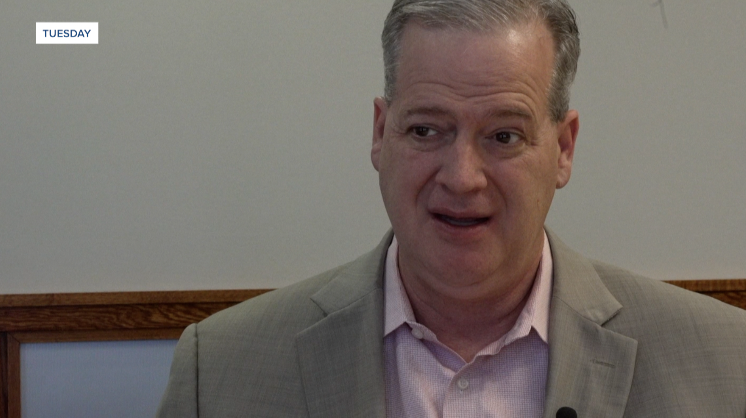
"Most of those patients have medicaid and there's just no where for them to go," Dougherty explained.
The Trump Administration announced Monday, a $10 billion disbursement of funds, divided throughout all 50 states to help address struggling rural health care systems. Some states are expected to receive more than others. The disbursement is part of a five-year Rural Health Transformation Program which provides a total of $50 billion in funding over fiscal year 2026 to fiscal year 2030.
Iowa, is expected to be a top recipient of funds in this round at $216 million, according to the Centers for Medicare and Medicaid Services.
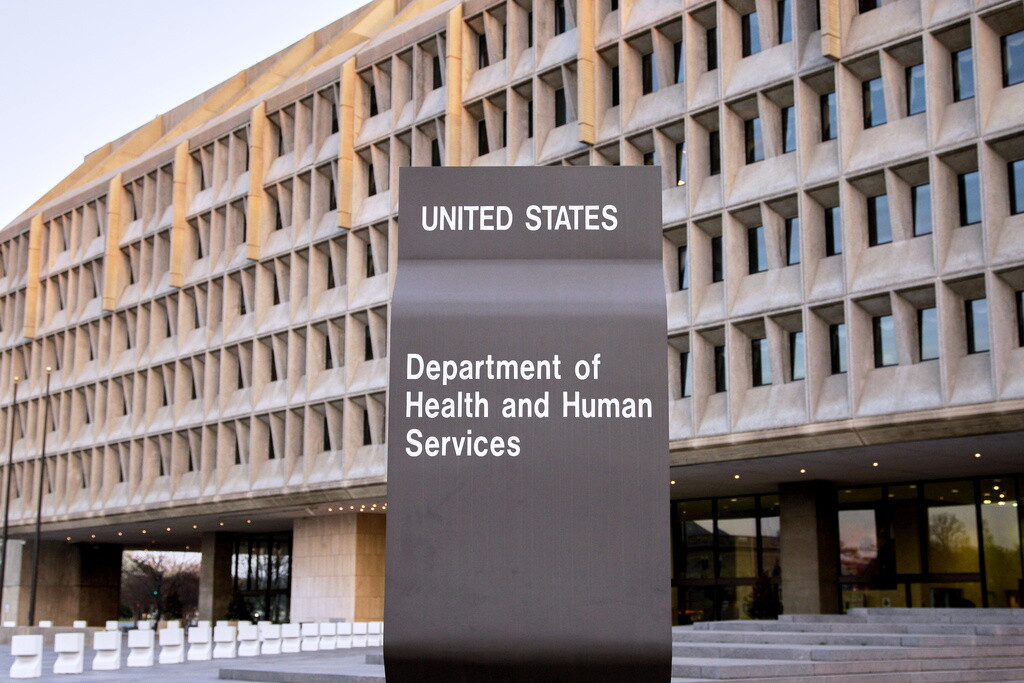
This second installment to the state of Iowa is up from the previous fiscal year. Iowa received $209 million in fiscal year 2026.
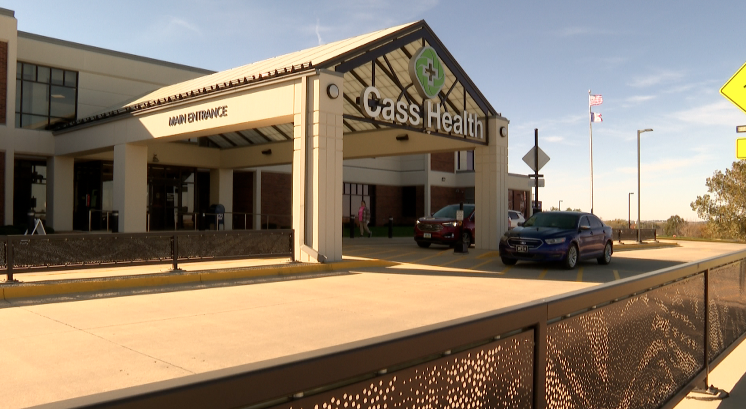
Still, this disbursement isn't a solution to the overall problem, according to Dougherty, who's non-profit broke ground on a new dental facility this week, that will more than double the number of patients it can serve — approximately 8,000 patients.
"It's not that the private dentists, I don't think it's that they don't want to serve those patients, it's that the state doesn't pay them in a way that allows to do more than a few of those patients," he said.
For most states, starting January 1, 2027, Medicaid beneficiaries should expect new rule changes for people between the ages of 19 to 64.
Iowa opted to begin new requirements early. It started back on October 1, 2026 — Medicaid coverage ended for some refugees and newcomers. The changes include:
- Refugees
- Asylees
- Special Immigrant Visa (ISV) holders
- Victims of Human Trafficking
- Some Afghan and Ukrainian Humanitarian Parolees
- Special Immigrant Juveniles
- U visa holders within Unaccompanied Refugee Minors (URM) program,
Eligibility is determined for each persona individually, some people in the same family could qualify for different coverage.
It's recommend to ensure Iowa HHS has the correct current address, phone number and email, open and read all mail from Iowa HHS, response quickly to requests for information and documentation, keep immigration and eligibility documents together and easy to access, and appeal promptly if the status, household, or eligibility determination appears incorrect.
Starting December 1, 2026, some adults applying for the Iowa Health and Wellness Plan (IHAWP) will need to meet community engagement requirements to qualify for Medicaid.
Current members will begin seeing this requirement during their 2027 renewal process.

If the requirement applies to you, members generally must meet 80 hours each month through on or more of these activities:
- Work at least 80 hours per month or earn at least $580 per month.
- Attend high school, college, GED, career or technical education at least half-time.
- Participate in a qualifying job training or work program.
- Volunteer.
- Combine qualifying activities to reach at least 80 hours per month.
For seasonal workers, income could be averaged over a six month period.
People hoping to apply or wanting to renew, should keep track of the hours you work, attend school or training, or volunteer, while keeping documents that show your work, education, training or volunteer activities, and watch for new information from Iowa HHS about whether the requirement applies to you.
The Centers for Medicare & and Medicaid Services keeps a list of individuals who could be exempt from these requirements. To view that list, click here.
Additional work or job training opportunities can be found here.
Other opportunities to volunteer can also be found here.
 Facebook
 YouTube
 Instagram
 X
