


ATLANTIC, Iowa — Imagine being in a mental health crisis and the nearest intervention team is more than an hour away.
That's the reality facing Southwest Iowa, where police officers are often the first and only responders to people in distress, and the specialized help bigger cities rely on simply isn't there.
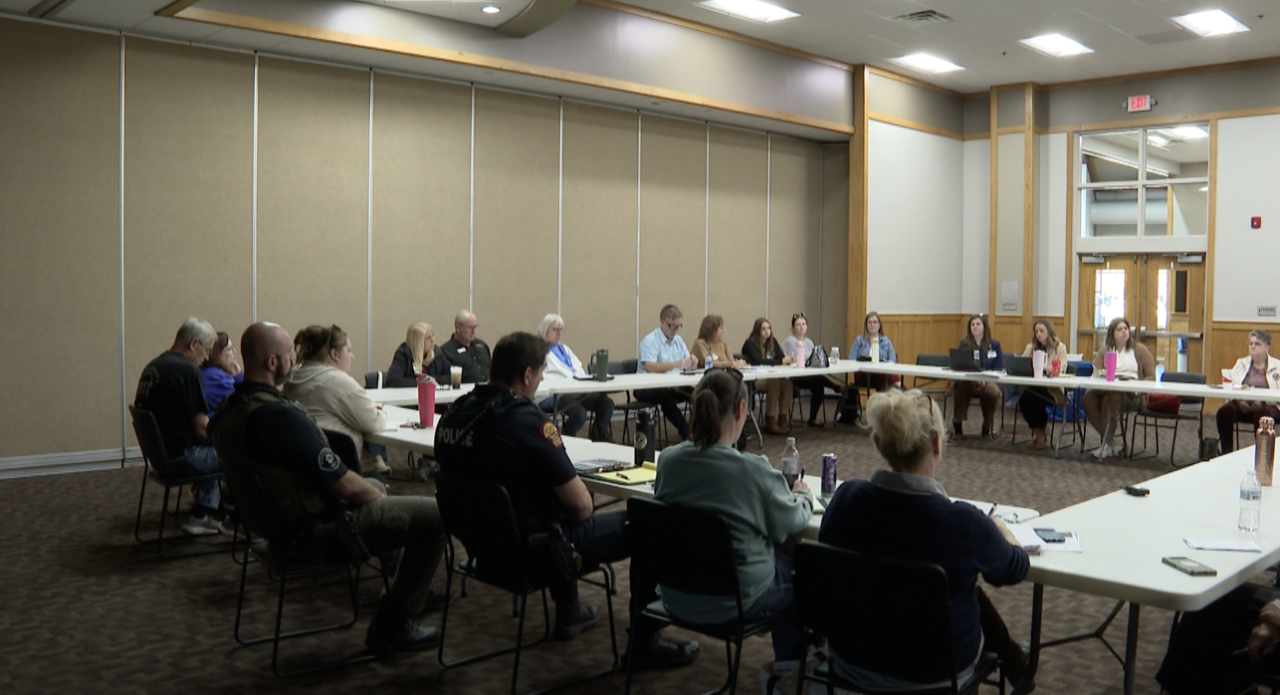
Leaders with the Cass County Coalition for Mental Wellness met Monday in Atlantic to share input on the calls first responders face every day — and to find ways to close the gaps.
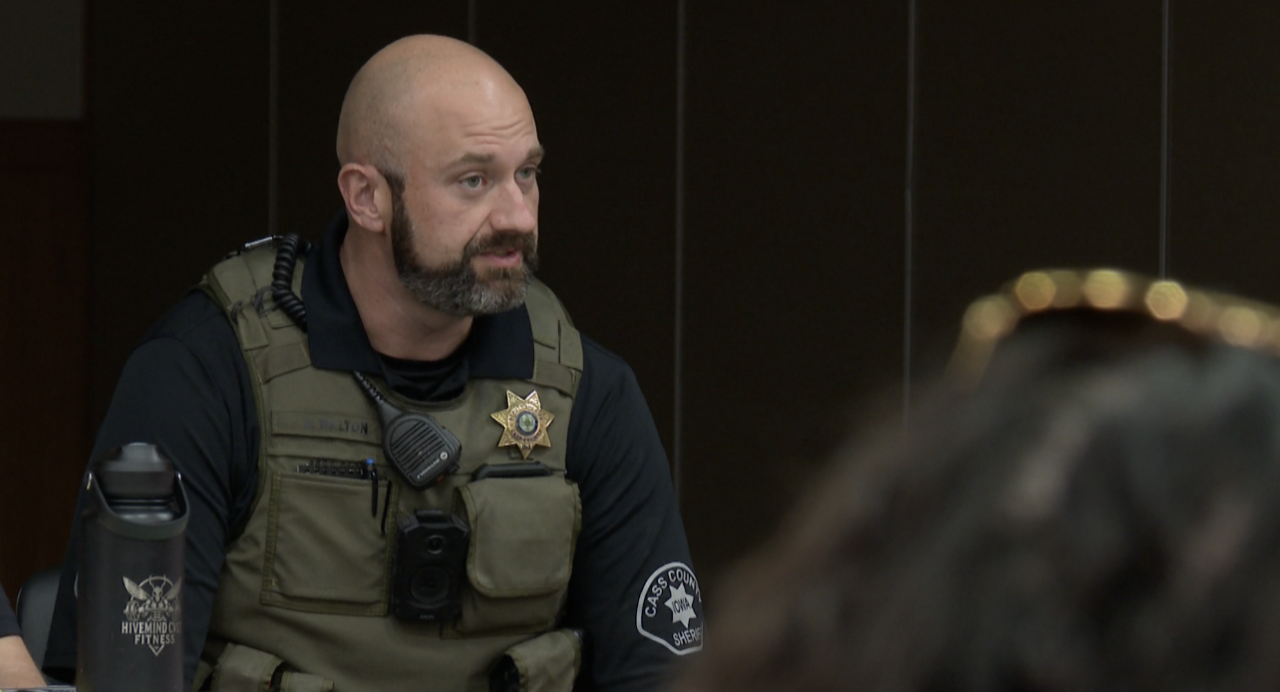
"They call us because they know they need help but we don't have those resources to help," a sheriff's deputy said during the meeting.
Many of those calls don't look like mental health crises at first.
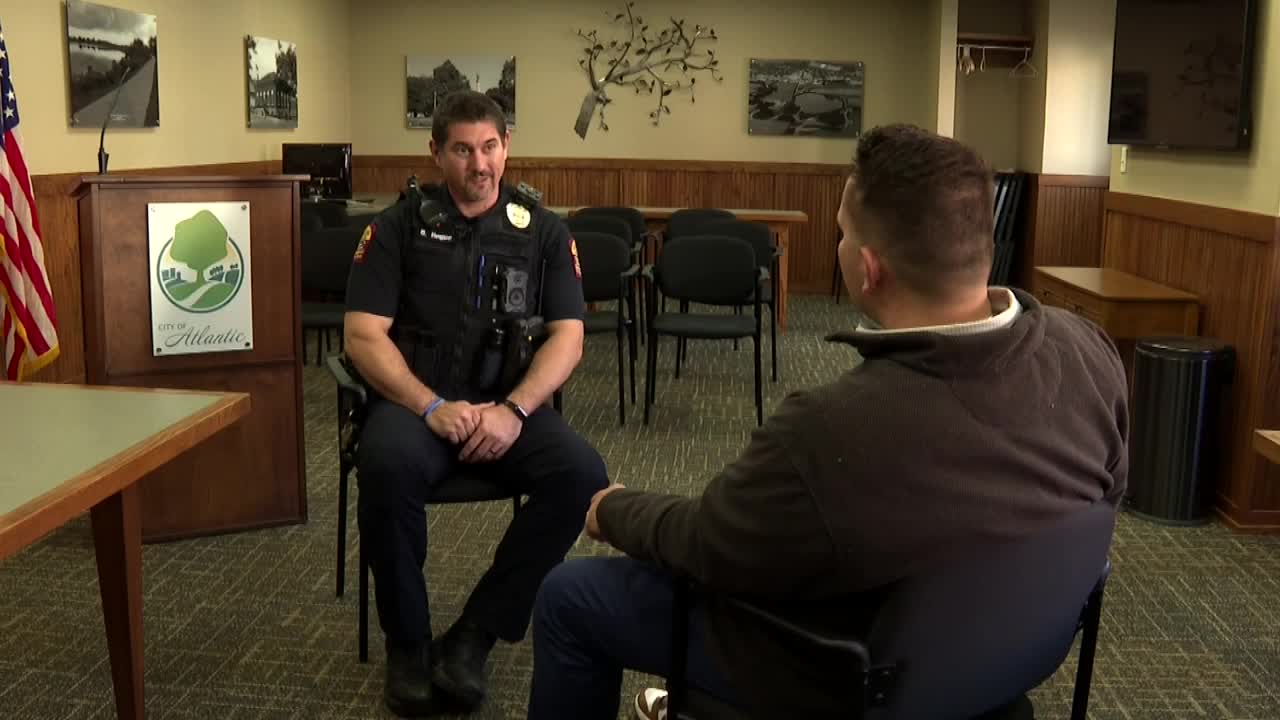
"Many calls, even though they may not be glaringly mental health they're still gonna circle back to a mental health underlying tone to them," Atlantic Police Chief Devin Hogue said.
Police officers are typically the first to answer the call.
With limited staff, that can be difficult — especially when larger city departments have licensed co-responders, usually a social worker, to assist a person in crisis.
Any contracted help is an hour away.
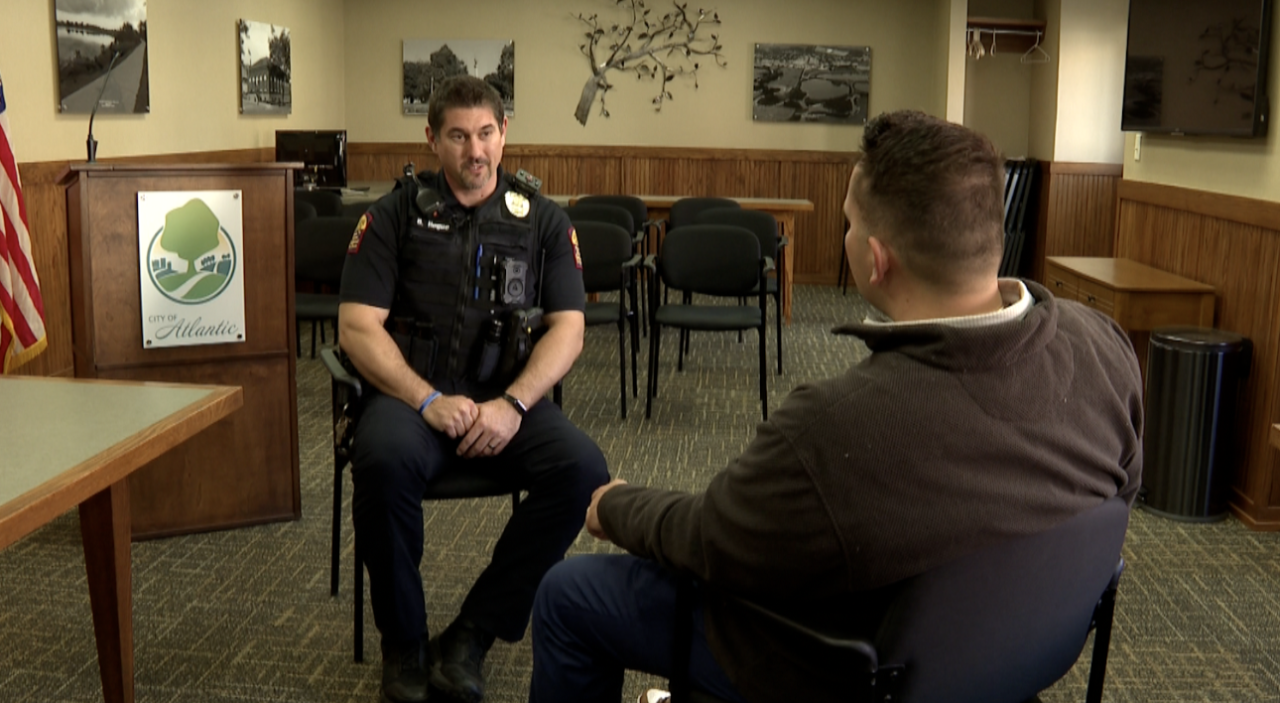
"For us and the rural parts of Iowa, it'd be very few and far between to see that," Hogue said.
That's where Grace McAfee hopes to step in.
"We're asking officers to do things that are not their job," said McAfee, community wellness coordinator at Cass Health.
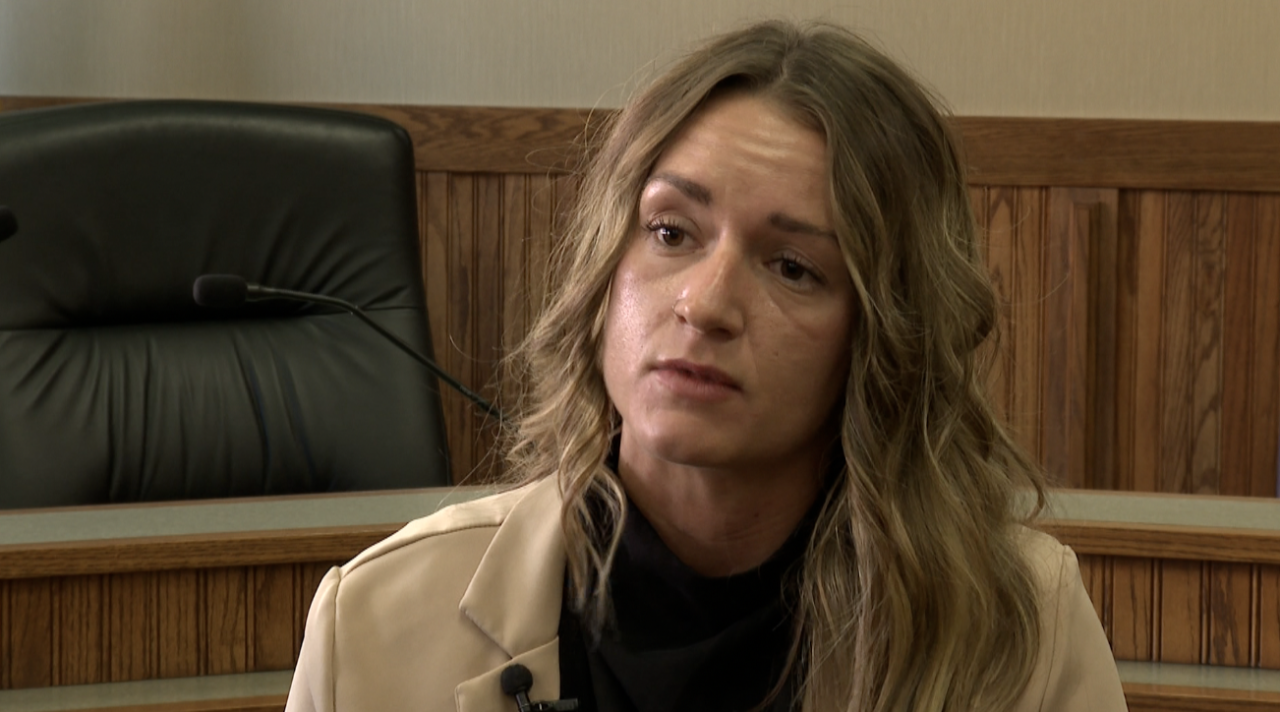
The need is steep.
Cass County has a six month wait list to see a mental health provider, and recent data suggests area teens are approximately 10% more likely to re-attempt suicide after a first attempt.
Social media remains a leading factor in the decline of teen mental health.
"It's terrifying because we're not giving them the services, if they attempted once, we're not giving them the services the second time," McAfee said.
The coalition has implemented new tools within area school districts, including the Hope Squad program, while access and funding remain slim.
During the meeting, members also shared newer trends: a dispatcher said they're receiving more calls about people met online — whom they have little information about — as well as more calls from nursing homes.
One board member said his own child attempted suicide three times, and that even he struggled to understand why.
"Any resources that the state can come in and help bridge that gap and help would be very beneficial," Hogue said.
I reached out to Governor-elect Rob Sand to ask what his administration would implement in its first 90 days to address these issues. At the time this story aired and was published, I had not received a response.
For now, Cass County leaders keep working.
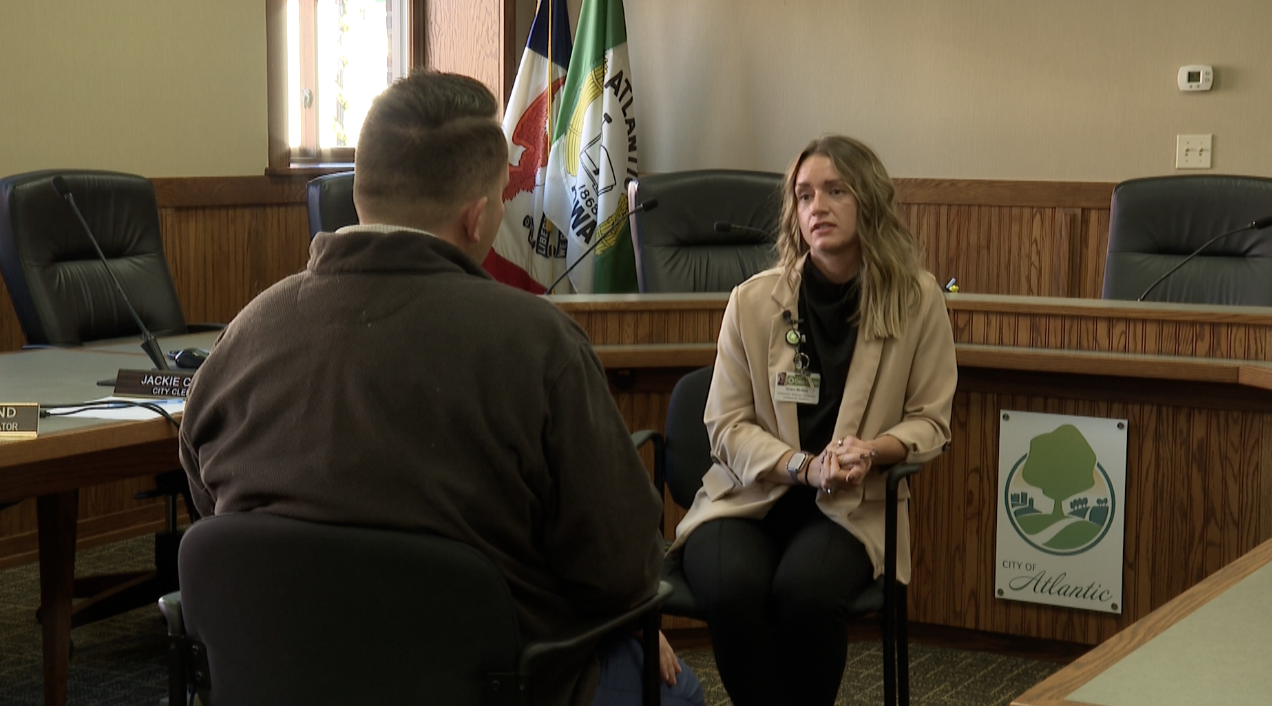
"We're gonna keep working to find solutions for individual problems," McAfee said.
If you need to talk to someone, call the Suicide and Crisis Lifeline by dialing 988 or text "HOME" to the Crisis Text Line at 741741.
—
 Facebook
 YouTube
 Instagram
 X
This story was initially reported by a journalist and has been converted to this platform with the assistance of AI. Our editorial team verifies all reporting on all platforms for fairness and accuracy.
