




CLARINDA, Iowa — A federal appeals court has cleared the way for the U.S. Army to detonate several tons of degraded lead munitions at an ammunition plant in southeastern Iowa.
The order from the 8th Circuit U.S. Court of Appeals marks the latest development in a saga of back-and-forth legal challenges and bickering among future state leaders and President Donald Trump — all as health experts warn of health implications locally and to surrounding states.
The detonation of 68 barrels of lead azide was initially planned for last Friday, but the Army has since changed the date three times following an outpouring of public concern about potential health and environmental effects. The Army had planned for a detonation this coming Wednesday, saying the weather was most favorable that day.
Patrick O'Shaughnessy, a professor of occupational and environmental health at the University of Iowa, said the operation is extraordinary.

"It's unprecedented as far as I know to release what we would call a persistent pollutant," O'Shaughnessy said.
Trump puts decision on Governor-elect Rob Sand
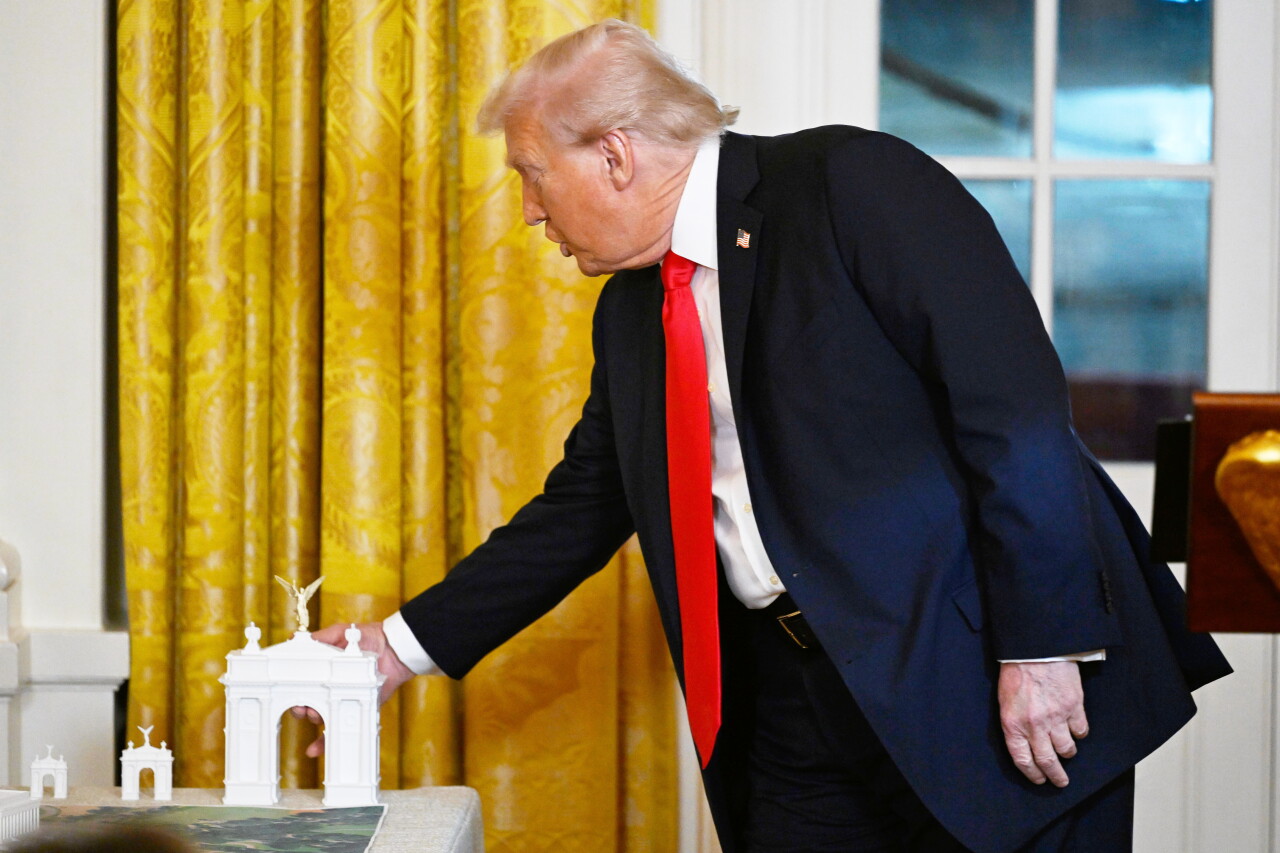
On Monday, Trump put the safety of Iowans on the desk of Governor-elect Rob Sand. Writing on Truth Social, Trump said he had ordered the military not to proceed without court approval and would hold the incoming governor responsible if the operation did not go forward.
"I feel the proper course is to get rid of this longterm problem but, at the same time, have ordered the Military not to do so until such time as the Eighth Circuit agrees that we can go forward, and am further making this decision fully subject to the incoming Governor Elect, Rob Sand, agreeing to the operation," Trump said.

Trump said that if Sand or the courts do not agree, the administration will have no choice but to not proceed, adding that he would hold the incoming governor responsible for "any and all death or destruction caused by this very unfortunate, and longterm, situation."
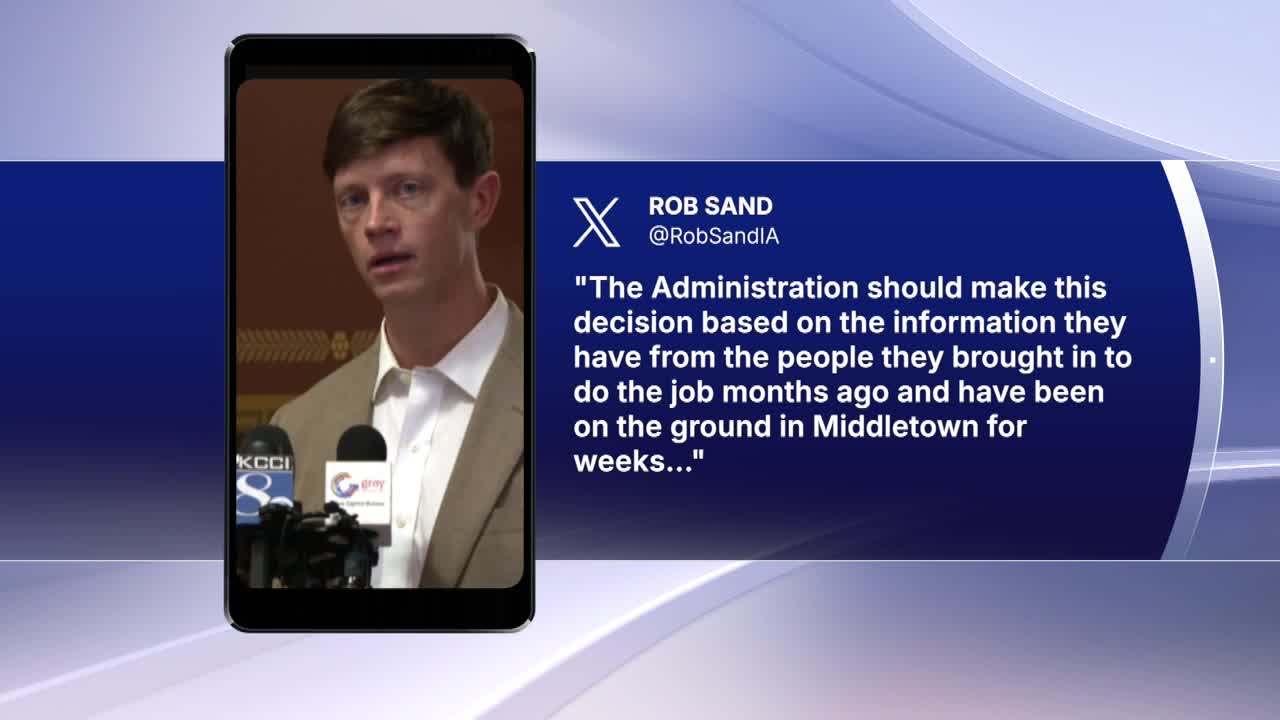
Sand fired back, pressing the administration to base its decision on the experts already working on the ground.
"The Administration should make this decision based on the information they have from the people they brought in to do the job months ago and have been on the ground in Middletown for weeks," Sand said.

Sand said Iowans are entitled to know how Middletown came to this situation and why the administration believes this is the best path forward.
"That means they should have the same access to the information I've received in briefings from the administration, straight from the source. I've asked the federal government to share that information with the public as soon as possible," Sand said.
Sen. Grassley calls for transparency
U.S. Sen. Chuck Grassley called for increased communication and transparency and said a controlled removal is the safest path.
"Iowans expect government to be transparent and trustworthy. Unfortunately, the situation at the Iowa Army Ammunition Plant has turned into political finger pointing from all sides. Decision makers need to keep their eye on what's most important—the health and safety of Iowans. This is a life-or-death situation and the government has a responsibility to protect precious American lives. The plant was closed in March for an emergency safety review of the lead azide, which lasted for 18 days and was publicly reported. My office has been in contact with the Army since the March closure. Experts worked to identify that a controlled detonation of the unstable lead azide is the safest method to eliminate the hazard. It's commonsense that the safest option is the one that should be implemented," Grassley said. My position remains clear—a controlled, safe removal of the lead azide far outweighs a spontaneous catastrophe. Final plans should be clearly and expeditiously communicated to the public and all government partners so Iowans can plan accordingly. I will continue to share resources as they are available for Iowans."

Other state leaders prepare
Other state leaders are preparing as well, including in Missouri.
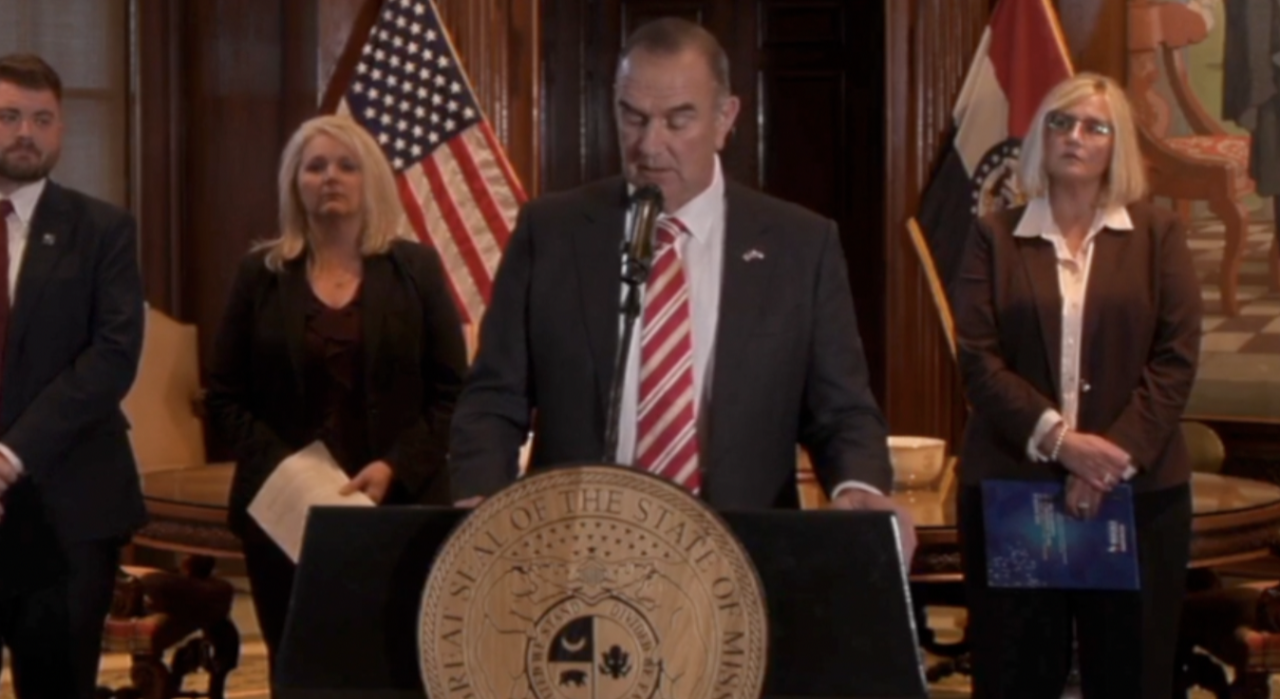
"My administration's focus today and everyday is ensuring Missourians are informed. and prepared if needed," Missouri Gov. Mike Kehoe said in cabinet press conference on Monday. While Gov. Kehoe stated his team is not concerned about the impacts, but remain ready to act.
Iowa Gov. Kim Reynolds has set up a website of resources but hasn't spoken publicly on the issue.
I reached out to her office for comment and have not heard back — nor has her office issued an official statement on the matter.

O'Shaughnessy said the hazard would be both immediate and lasting — but it starts with how the entire situation was handled.
"There has to be better coordination... It's going to be an immediate human health hazard, from the standpoint of inhaling it, then it's going to live in the environment, for a long, long time," he added.
Earthjustice, a group who challenged the emergency permit issued by the EPA, released this statement.
“Since we filed our lawsuit, the Army has been forced to share more information about the lead explosives stored at the facility and to provide additional context that shows how its mismanagement led to this crisis. State and local governments have had more time to prepare an emergency response. More people have been alerted to the threat. Today, the 8th circuit decided to let the Army proceed with its plan, and we respect that decision. But the Army created this emergency through neglect, and it owes the people of Iowa more information about the planned detonation and more safeguards for their health.”
—
 Facebook
 YouTube
 Instagram
 X
This story was initially reported by a journalist and has been converted to this platform with the assistance of AI. Our editorial team verifies all reporting on all platforms for fairness and accuracy.
