

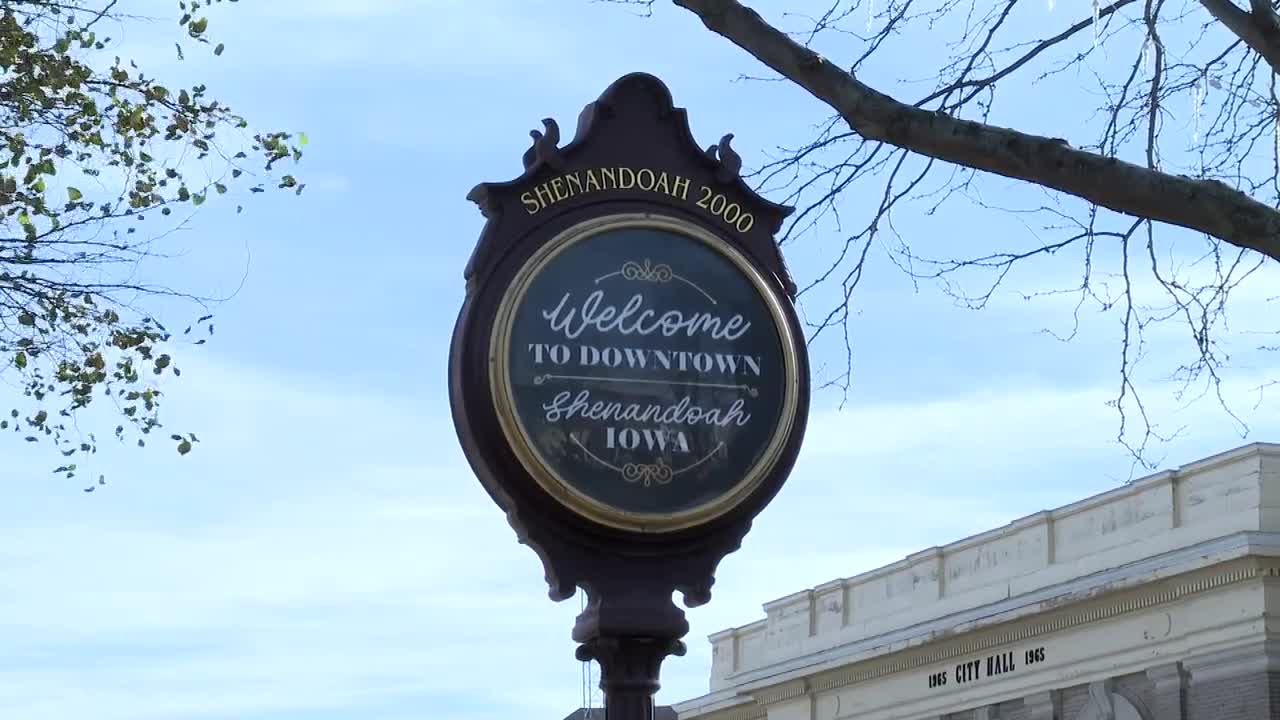



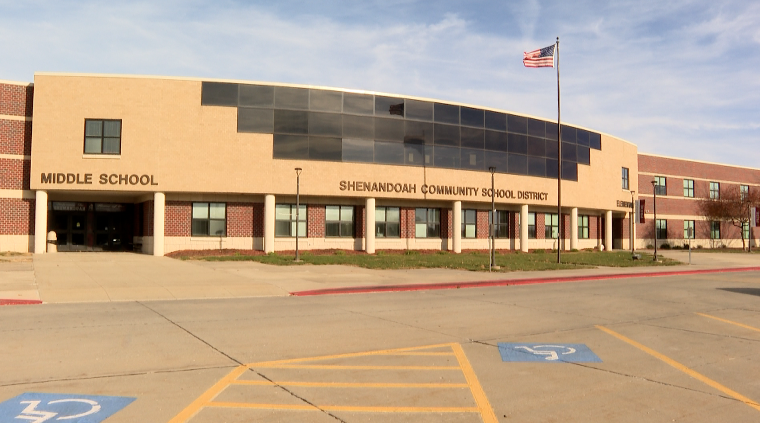
SHENANDOAH, Iowa — The number 71 doesn't leave Shenandoah Schools Superintendent Kerri Nelson's mind.
That's how many resident students her district has lost — a figure she's been tracking closely, because behind it sits a bigger story about the slow emptying out of rural Iowa.
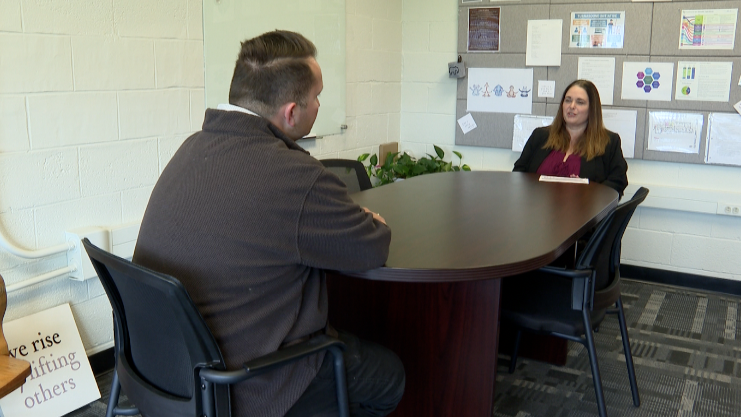
"Our resident student population count was down, our open enrollment is quite strong and carries us through and helps us makes us a stable size school district," Nelson said.
But the decline in resident students — the children who actually live within the district's boundaries — is the part that worries her, because those numbers drive school funding and staffing.
"Losing 71 resident students is concerning, because that means they're not in your school district they're not in your neighboring school district you can't really find them, which means they left the area," Nelson said.
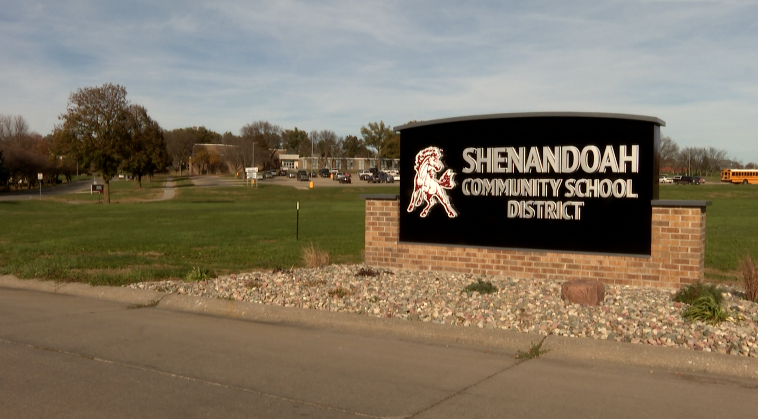
Her district's records suggest those families didn't just move down the road. Many left the state entirely, and some headed for urban areas. They aren't open enrolling anywhere else nearby, which is what alarms her most — if they were, she'd know where to find them and could try to win them back.
"This is actual movement out of the area. You can't recover those students," Nelson said.
A statewide trend
Shenandoah's shrinking classrooms are part of a pattern playing out across Iowa. According to an Iowa State University report analyzing U.S. Census Bureau estimates from 2000 to 2025, rural Iowa has lost population every year since 2020 — through the ups and downs of the farm economy, national recessions and COVID-19.
The report, authored by Dr. David Peters, a professor and extension specialist in agriculture and rural policy, lays out why. From 2000 to 2020, rural losses came almost entirely from people leaving for Iowa's metro areas or other states. But in the 2020s, a new problem emerged: for the first time in two decades, more people in rural Iowa are dying than being born. In other words, rural Iowa can no longer grow its population from within.
Statewide, the report found natural growth — births minus deaths — has fallen sharply. Birth rates per 1,000 women ages 15 to 44 dropped from a high of 71 in 2007 to 59 by 2025, while death rates climbed from about 9 per 1,000 during the 2000s and 2010s to 11 in the 2020s.
International immigration has been the force keeping the state's overall population growing. The report found immigrants accounted for all of Iowa's population growth in 2023, 81% of gains in 2024 and 74% in 2025. In rural Iowa specifically, immigrants were the only growing segment of the population — without them, the report estimates rural Iowa would have shrunk by 0.4% between 2022 and 2024, rather than the actual 0.1% loss.
That lifeline has begun to thin. The report notes that expanded federal immigration enforcement in 2025 cut immigration into Iowa by 50%, slowing statewide population growth from 0.49% to 0.25%. In rural Iowa, immigration fell 40%, deepening the population loss from 0.09% to 0.28% over the past year.
Peters warns of a "looming population cliff" in rural Iowa in the second half of the 2020s — one that could mean labor shortages, school consolidation, hospital closures and the loss of Main Street businesses and essential services.
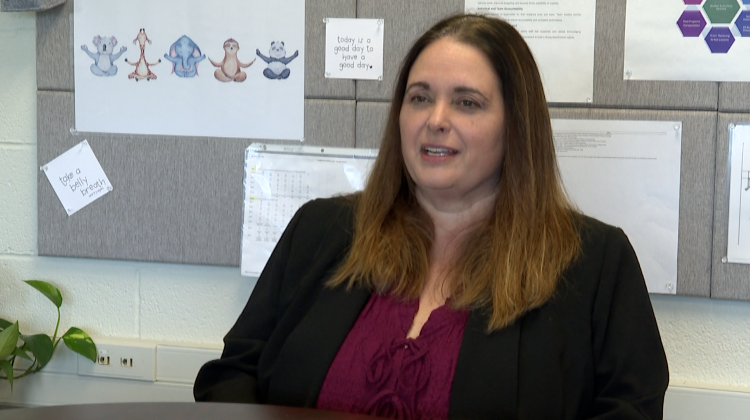
For Nelson, the math points in one direction.
"If we're losing resident students in our school district there's some kind of economic shift that is occurring," Nelson said.
'We absolutely could use more jobs'
Amy Zwickel, a real estate agent with Jim Hughes Real Estate, sees the same challenge from the front lines of the local housing market. The pace is a little slower, she said, but her office still has 30 homes for sale and is drawing interest from buyers well beyond the area.
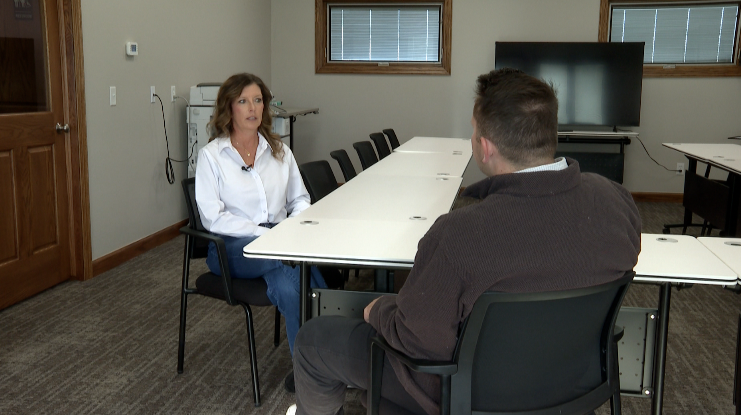
"In our office we've seen a range of people come from just another area you wouldn't anticipate, out of state," Zwickel said.
Still, she keeps coming back to the one thing she believes the community needs most.
"We absolutely could use more jobs," Zwickel said.
Getting creative to survive
When I jokingly floated the idea of a possible school merger between Clarinda and Shenandoah (they're rival schools), Nelson pointed to neighboring districts that were told by the state they had no choice but to consolidate. It's up to local administrators and communities, she said, to get creative and build the vitality a town and school needs to keep going.
She wants state lawmakers to hear the voices of rural school districts and communities.
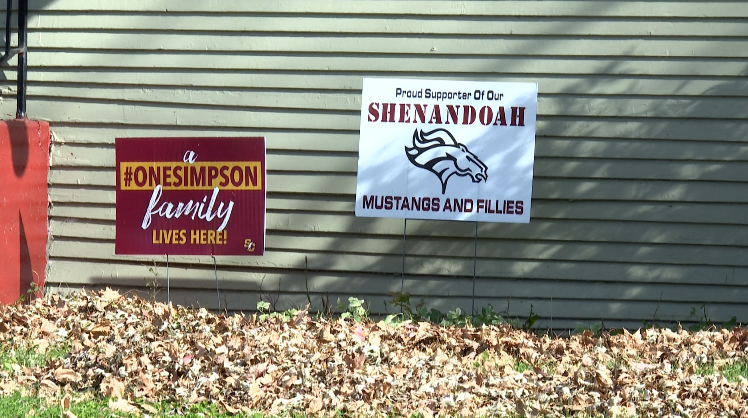
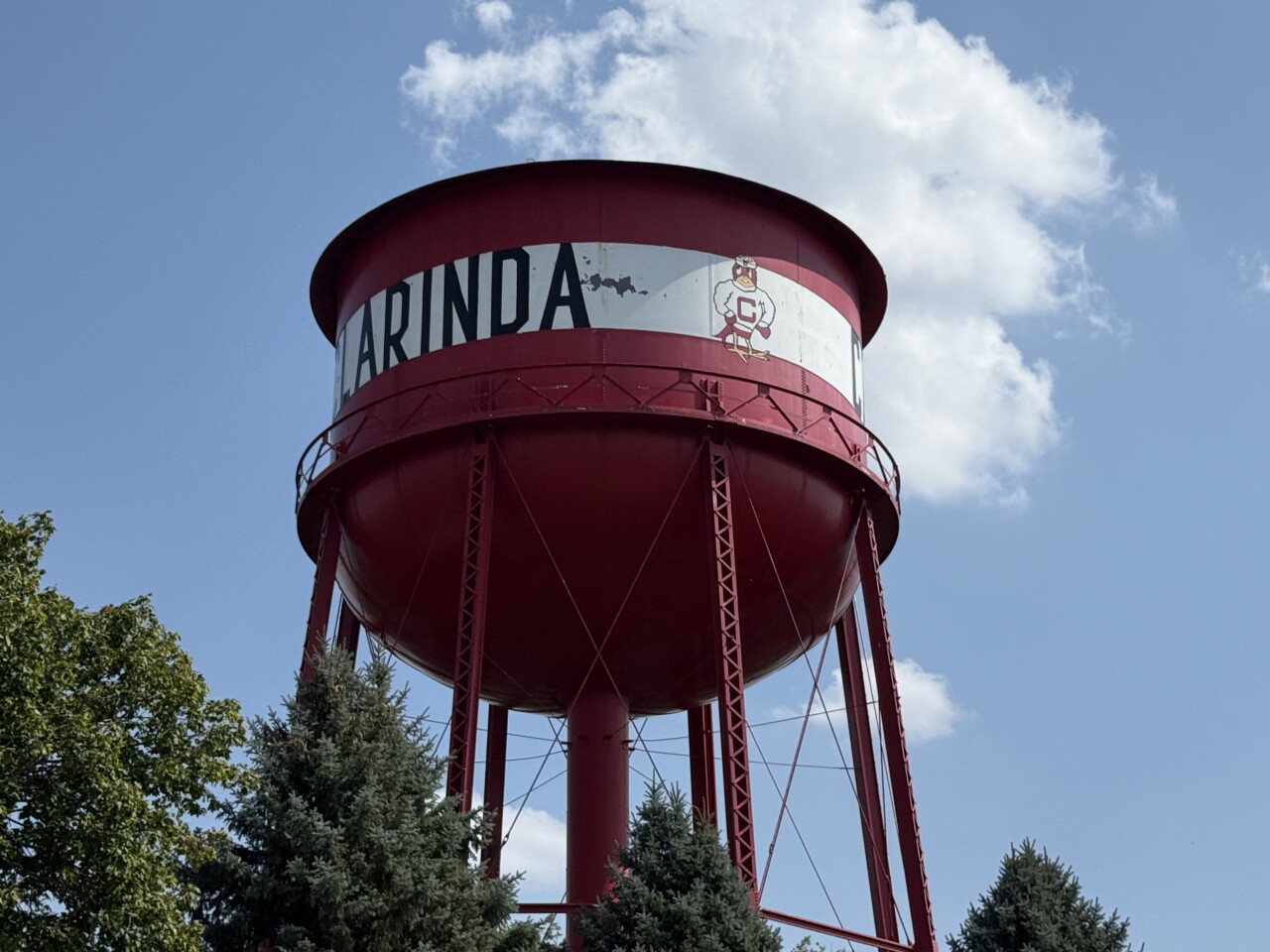
I also reached out to neighboring school districts — including Clarinda, Red Oak and Sidney — to ask whether they're seeing similar trends. None responded. Atlantic, Iowa's superintendent of schools told me they'd be interested in joining the conversation on this topic.
For Nelson, the stakes stretch far beyond a single enrollment count.
"We have to be aware of what's happening with the whole population of our students and plan accordingly," Nelson said.
Because, she said, the future of small-town Iowa depends on getting this right.
"You need strong employment, strong housing, you need opportunity for families to engage, in rural areas life looks a lot different," Nelson said.
—
 Facebook
 YouTube
 Instagram
 X
This story was initially reported by a journalist and has been converted to this platform with the assistance of AI. Our editorial team verifies all reporting on all platforms for fairness and accuracy.
